Category: FWTFL

I’m a Dietitian, and This Is the First Thing I Tell Moms Who Battle Cravings

If thereโ€™s one habit thatโ€™s made the biggest difference in how I manage food cravings both as a mom and a registered dietitian, itโ€™s what I call the 10-minute Pause and Pivot. Every time you feel that intense urge for a candy bar, a salty snack like potato chips, or even ice cream, give yourself a 10-minute window before acting. Step out of the kitchen, grab your water bottle, or take a quick walk. This gives your rational brain time to assess whether itโ€™s a true hunger signal or a reaction to a particular food cue. Sometimes, that intense desire for high-calorie foods or sugary foods will fade, especially if itโ€™s triggered by emotional states or ongoing stress rather than actual need.

If youโ€™ve battled with food cravings in the past month, youโ€™re not alone. For many of us, the late afternoon can bring on cravings for specific foods, be it sweet food, junk food, or even savory foods like fast food. Navigating these cravings isnโ€™t about willpower; itโ€™s about understanding all the important factors at play. Taking this important first step to reflect, rather than react, helps you regain control of your food choices and overall food intake.

Outsmart Hormonal Weight Gain
This guide walks you through how unknowingly, hormones may be in the way of your fat loss goals.

Hormone Recipe Guide
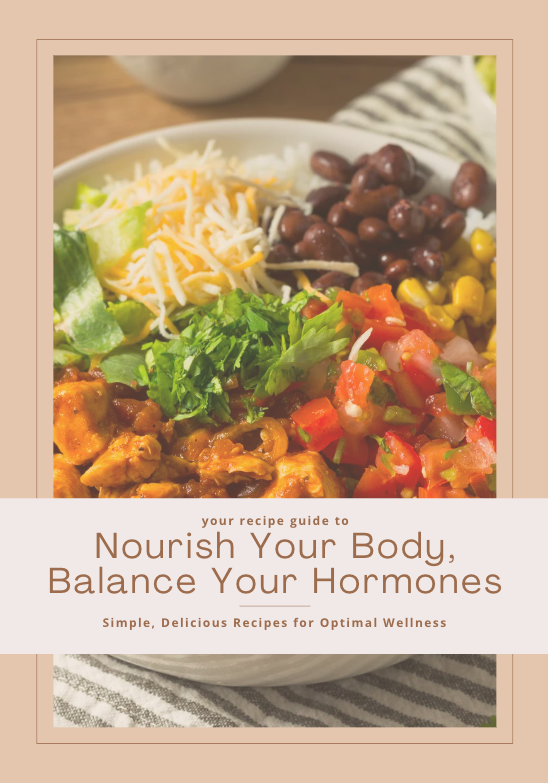
If you’re ready to eat to support your hormones, this guide is for you!

Workout with Me
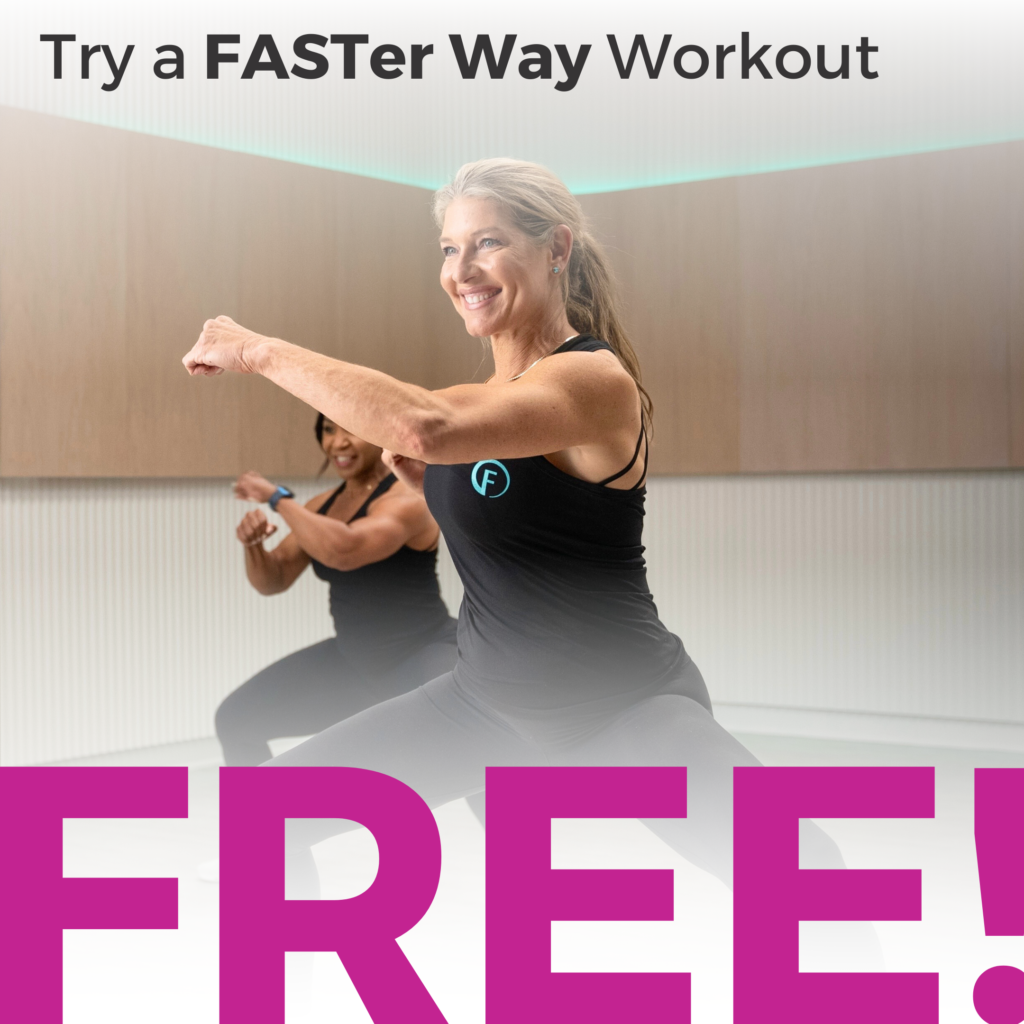
Try one of the custom workouts that my clients and I do daily! Just 30 minutes for results.

Cravings 101: It’s Not Just Hunger

The etiology of food craving is complexโ€”there are many types of food cravings, and they donโ€™t always mean youโ€™re physically hungry. Genuine hunger is our bodyโ€™s natural way of saying it needs energy, and it usually comes on gradually. Your digestive tract sends signals to your brain, making you think about eating, but you could satisfy that need with lots of different foods.

In contrast, food cravings often involve an intense urge for a specific type of food, ususally ultra-processed foods, milk chocolate, or even non-food items in rare cases (especially among pregnant women or in certain health conditions). These cravings are frequently for high-calorie foods: think chocolate-containing foods, sweet tooth treats, savory snacks, or salty foods. The brainโ€™s reward system is activated by these foods, releasing dopamine, a possible mechanism similar to addictive substances, as shown by both animal studies and experimental studies. Previous research and scientific evidence suggest that stress hormone fluctuations, ongoing stress, and chronic stress can make these cravings more frequent and harder to resist.

Join my new 21 DAY reset!

Tired of endless diets and no results? This reset is for you if you want to gain energy, cut the cravings, build strength, decrease bloat and feel amazing going into the holiday season!

Key triggers for food cravings include:

  • Lack of sleep and sleep deprivation:  which messes with appetite-suppressing hormones
  • Nutritional deficiencies and not following a balanced diet
  • Blood sugar spikes and crashes, especially after eating too much sugar or missing meals
  • Emotional states such as chronic stress, anxiety, or boredom
  • Physical symptoms like fatigue or changes in the menstrual cycle
  • Environmental cuesโ€”seeing a candy bar or smelling fast food

Important factors like physical activity, a healthy diet, and enough sleep help keep cravings for unhealthy foods in check and may reduce the risk of weight gain, heart disease, or blood pressure problems related to poor food choices.

Is It Physical or Emotional Hunger?

A good idea before acting on a craving is to figure out if itโ€™s physical hunger or emotional hunger. Physical hunger builds gradually and can often be satisfied by a smaller portion or a wider range of foods, think air-popped popcorn, healthy snacks, or meals rich in healthy fats. Typically, itโ€™s been several hours of sleep and activity since your last meal, and your body is asking for fuel.

Emotional hunger, though, comes on suddenly and powerfully.  Itโ€™s an intense desire for a particular type of food or specific foods, not just any option. Maybe youโ€™re craving ice cream after a long, stressful day, or longing for potato chips while dealing with chronic stress. This is the kind of craving that often leads to eating more ultra-processed foods, sweet tooth treats, or unhealthy foods, despite not being physically hungry. Thereโ€™s a strong link between emotional states and food cravings according to scientific evidence, with emotional eating even tied to mental health conditions like anxiety, depression, and even eating disorders.

When a craving hits, ask yourself: โ€œIs this about my bodyโ€™s need for energy, or does it have a mental cause tied to ongoing stress or emotional states?โ€ This mindful pause is an important first stepโ€”an act proven in therapy methods to break the automatic loop and support positive changes.

Get my exact step-by-step blueprint to stop cravings

If you are struggling with those mid-afternoon sugar cravings or late-night snack attacks, this guide is for you. It explains the ins and outs to understanding and conquering your cravings for good. Download my complete blueprint to stop cravings and take back control. No guilt, no deprivation, just real solutions that work

Daily Habits to Keep Cravings at Bay

Creating consistent daily habits is a great way to support a healthy lifestyle and manage food cravings before they become overwhelming:

  1. Eat Protein at Every Meal: Protein is not only filling, but helps control blood sugar responses and keeps appetite-suppressing hormones balanced. Aim to fill your plate with lean meats, tofu, Greek yogurt, or a smaller portion of dark chocolate sometimes for its health benefits.
  2. Don’t Skip Meals: Skipping meals leads to drops in blood sugar and intense cravings laterโ€”often for sugary foods or savory snacks with fewer calories but less nutrition. Try eating every 3โ€“5 hours to avoid blood sugar spikes and crashes.
  3. Stay Hydrated: Sometimes we confuse a craving for sweet food or salty snacks with needing a drink. Carrying a water bottle is a great way to prevent unnecessary snacking and maintain optimal health.
  4. Prioritize Sleep: Aim for enough sleepโ€”typically 7โ€“9 hours of sleep nightly. Sleep deprivation disrupts hormones related to hunger, increasing cravings for fatty foods, high-calorie foods, or even non-food items in some rare cases. Lack of sleep is linked to weight gain and greater food intake, especially of the most frequently craved foods.
  5. Prep for Success: Decision fatigue late in the day can make us reach for junk food, fast food, or the nearest candy bar. Prepping healthy snacks and meals, or even keeping air-popped popcorn or nuts in an airtight container, is a great option for supporting better food choices.

Your Mindset Matters: Smart Strategies for Real Life

Willpower isnโ€™t limitless, especially in the presence of strong food cues or ongoing stress. Instead, support yourself with smarter mindset shifts and action plans:

Mindset Shifts:

  • Replace โ€œI canโ€™tโ€ with โ€œIโ€™m choosingโ€: Instead of thinking โ€œI canโ€™t have that candy bar,โ€ reframe it: โ€œIโ€™m choosing a balanced diet or a healthier snack because I want to feel good, avoid blood sugar spikes, and enjoy weight loss or better health benefits.โ€
  • Get Curious, Not Critical: Cravings and hunger signals arenโ€™t failures. They are feedbackโ€”maybe from nutritional deficiencies, chronic stress, hours of sleep missed, or other medical conditions. Understanding your triggers helps you make positive changes, whether youโ€™re addressing a mental health condition, stress hormone surges, or simply a habit of grabbing unhealthy foods when tired.

In-the-Moment Strategies:

  • Pause and Pivot: The next time you have an intense desire or intense urge for a particular food, try the 10-minute Pause and Pivot. Brush your teeth, call a friend, or go for a walk. By delaying, you weaken the cravingโ€™s hold. This can be especially effective for those struggling with emotional eating, substance abuse histories, or health problem management.
  • Have a โ€œGo-Toโ€ Swap: If you still want something after waiting, choose a smaller portion of dark chocolate, a handful of nuts, or air-popped popcorn to satisfy your craving with fewer calories and healthier fats. Opt for healthy snacks instead of ultra-processed foods. This strategy naturally promotes a healthy lifestyle and helps maintain a steady body weight.

Supportive Swaps for Your Biggest Cravings

Letโ€™s get practical. Below are some supportive swaps for the most frequently craved foods and types of food:

  • For a Sweet Tooth: Swap out sugary foods, candies, and junk food for Greek yogurt with berries or a square of dark chocolate. If you need sweetness, try fresh fruit. If youโ€™re craving a chocolate-containing food, opt for a small amount of dark over milk chocolate.
  • For Salty & Crunchy: If you want salty foods or savory foods, try crunchy vegetables with guacamole, air-popped popcorn, or roasted chickpeas. These deliver a similar effect as potato chips or fast food sides, but with more healthy fats and fewer calories.
  • For Carbs & Bread: If bread is your go-to, swap white bread and ultra-processed foods with whole grain breads or chickpea pasta. For breakfast, a high-protein granola is a great way to keep blood sugar responses in check.

Eating a balanced diet and making smart swaps is not only important for physical healthโ€”but may also support mental health and lower the risk of weight gain, blood pressure, or even heart attacks and heart disease. Ongoing research and experimental studies continue to show how little changes have a big impact.

Join my new 21 DAY reset!

Tired of endless diets and no results? This reset is for you if you want to gain energy, cut the cravings, build strength, decrease bloat and feel amazing going into the holiday season!

You Don’t Have to Do It Alone

If youโ€™re dealing with chronic stress, looking to make positive changes, or have questions about specific type of food cravings, know that support is out there. Consulting a registered dietitian or internal medicine physician for individual health problem advice is always a good ideaโ€”especially where exclusion criteria, eating disorder history, or medical conditions may be a concern.

If youโ€™re ready for guidance, tools, and therapy methods that address both the physical and mental cause of food cravings, my 21-Day Reset is here. Together, weโ€™ll tackle food cravingsโ€”from the causes laid out in previous research to real-world solutions for moms, pregnant women, or anyone wanting to lead a healthier, happier life.

Letโ€™s build a healthy lifestyle that supports your body, mind, and taste budsโ€”so you can enjoy your favorite foods, prevent blood sugar spikes, and keep your energy high, all while modeling great food choices for your family.

References:

  1. Poelman, M. P., et al. (2016). Food cravings, food addiction, and a dopamine-resistant (DRD2 A1) receptor polymorphism in Asian American college students. Journal of Psychoactive Drugs, 48(4), 278-286. https://www.ncbi.nlm.nih.gov/pmc/articles/PMC5022562/
  2. Yau, Y. H. C., & Potenza, M. N. (2023). The association of emotional eating with overweight/obesity, depression, anxiety/stress, and dietary patterns: a review of the current clinical evidence. Nutrients, 15(5), 1173. https://www.mdpi.com/2072-6643/15/5/1173
  3. Meule, A., & Richard, A. (2017). It is not how much you crave but what you do with it that counts: behavioural responses to food craving during weight management. European Journal of Clinical Nutrition, 71(4), 543-548. https://www.nature.com/articles/ejcn2016235

The #1 Reason You’re Not Losing Belly Fat (It’s Not Your Diet)

Have you ever felt like you’re doing everything right? Eating well and exercising consistently but the scale just won’t budge? Maybe you’ve even tried extreme measures too. I’ve heard it from new clients too.  Unexplained weight gain, low energy and feeling kinda hopeless. It can be incredibly frustrating. But here’s the thing, the reason might not be what you’re doing, but rather what your body is feeling. The culprit could be cortisol, (your body’s primary stress hormone) and its complex relationship with weight loss.

Understanding how this hormone works is the first step toward managing it and achieving your health goals. And if there’s one thing I want you to remember, it’s not just about lower cortisol levels, it’s about healthy cortisol levels throughout the day – because we need it for overall health!

What Exactly Is Cortisol?

I know healthcare provider get this question all the time.  Cortisol is a steroid hormone produced by your adrenal glands, which sit on top of your kidneys. It’s best known as the “stress hormone” because its levels rise when you’re under pressure, triggering your “fight-or-flight” response. This reaction is a survival mechanism that prepares your body for perceived threats.

When cortisol is released, it affects several bodily functions:

  • Increases Heart Rate and Blood Pressure: It gets your heart pumping faster to deliver oxygen to your muscles.
  • Boosts Energy: It floods your body with glucose (sugar) for a quick energy source. It gives you that “high alert” feeling.
  • Slows Non-Essential Functions: It temporarily puts the brakes on processes like digestion and your immune response to focus on the immediate danger.

In short bursts, cortisol is beneficial. The thing is, problems start to creep in when stress becomes a regular thing (or chronic), leading to consistently high cortisol levels.

Think of it this way: our bodies follow a natural cortisol rhythm to help us get through the day. Youโ€™ve probably heard of melatonin and how it supports sleep, right? Well, cortisol works in the opposite way. Itโ€™s typically highest in the morning, helping us wake up and start the day after a good nightโ€™s sleep. As the day goes on, cortisol levels naturally drop. By evening, melatonin kicks in, helping us feel calm and ready for sleep.

But when this rhythm gets disrupted, cortisol can stay high in the evening, leaving us feeling โ€œtired but wired.โ€ It competes with melatonin, making it hard to relax and fall asleep. This can lead to hours of tossing and turning, wishing for rest. High cortisol doesnโ€™t just impact sleep, this is just one example of how it can throw your body off balance.

When you feel stressed, or are in stressful situations, your brain sends out an alarm that sets off a chain reaction in your body called the HPA axis. First, a part of your brain called the hypothalamus sounds the alarm and tells another part, the pituitary gland, to get ready. The pituitary then sends a message through your blood to your adrenal glands, which sit right on top of your kidneys. The adrenal glands release cortisol, the main stress hormone. Cortisol gives you quick energy, sharpens your focus, and puts things like digestion on hold so you can deal with the challenge in front of youโ€”kind of like flipping your body into โ€œsurvival mode.โ€ Once thereโ€™s enough cortisol in your system, it tells your brain to quiet the alarm, so your body can calm down and return to normal.

Outsmart Hormonal Weight Gain

This guide walks you through how unknowingly, hormones may be in the way of your fat loss goals.

Hormone Recipe Guide

If you’re ready to eat to support your hormones, this guide is for you!

Workout with Me

Try one of the custom workouts that my clients and I do daily! Just 30 minutes for results.

How High Cortisol Leads to Weight Gain

When your body is in a constant state of “fight-or-flight,” it can disrupt your metabolism and lead to weight gain, particularly around the abdomen. We actually have more cortisol receptors there. Chronic stress keeps cortisol levels elevated, which can have a domino effect on your health.

High cortisol can contribute to:

  • Increased Appetite: Cortisol can ramp up your cravings for sugary, fatty, and salty foods, as your body thinks it needs extra fuel to fight off a threat.
  • Fat Storage: It encourages your body to store visceral fatโ€”the deep abdominal fat that surrounds your organs. This type of fat is particularly dangerous and is linked to a higher risk of health problems.
  • Health Complications: Beyond weight gain, consistently high cortisol is associated with heart disease, digestive issues like irritable bowel syndrome (IBS), and mental health challenges such as anxiety and depression.

Recent research continues to highlight these connections. The American Psychological Association has noted that long-term stress can lead to behaviors that contribute to weight gain, such as overeating and decreased physical activity, all driven by the hormonal response orchestrated by cortisol.

What Causes High Cortisol Levels?

Many things can cause chronically high cortisol levels, and itโ€™s not always the big, life-changing events. Often, itโ€™s the constant, everyday pressures.  It’s the small, steady drip of stress that leave the biggest mark.

Common root causes include:

  • Chronic Stress: This can stem from work pressure, overstimulation from your environment, financial worries, or relationship difficulties.
  • Lack of Sleep: Not getting enough quality sleep signals to your body that something is wrong, prompting a cortisol release to keep you alert.
  • Poor Diet: Diets high in processed foods, sugar, and unhealthy fats can cause inflammation and stress the body, elevating cortisol.
  • Underlying Health Issues: Conditions like thyroid issues or adrenal fatigue (a state of burnout from prolonged stress) can also disrupt cortisol production.

Symptoms of chronically high cortisol can be subtle at first. You might notice persistent fatigue, irritability, frequent headaches, difficulty concentrating, and trouble sleeping. Recognizing these signs is crucial for taking proactive steps.

Join my new 21 DAY reset!

Tired of endless diets and no results? This reset is for you if you want to gain energy, cut the cravings, build strength, decrease bloat and feel amazing going into the holiday season!

Practical Ways to Manage Your Cortisol Levels

The good news is that you can take control of your cortisol levels through simple, sustainable lifestyle changes. Itโ€™s about creating an environment where your body feels safe and balanced, rather than constantly under threat. Here are a few tips to get you started.  If you want a full 6-week plan, just let me know!

1. Adopt a Cortisol-Friendly Diet

What you eat has a direct impact on your stress hormones. Shifting your diet can help lower inflammation and stabilize blood sugar, which in turn helps manage cortisol. When I start working with a new client, we talk through ways to create a balanced diet and move towards a whole food strategy.  

A Mediterranean-style diet, for example, is an excellent framework. Focus on incorporating whole foods that either come from the ground or have a mother:

  • Whole Grains: Foods like oats, quinoa, and brown rice provide a steady release of energy without spiking blood sugar.
  • Leafy Greens: Spinach, kale, and other greens are packed with magnesium, a mineral that helps relax the body and mind.
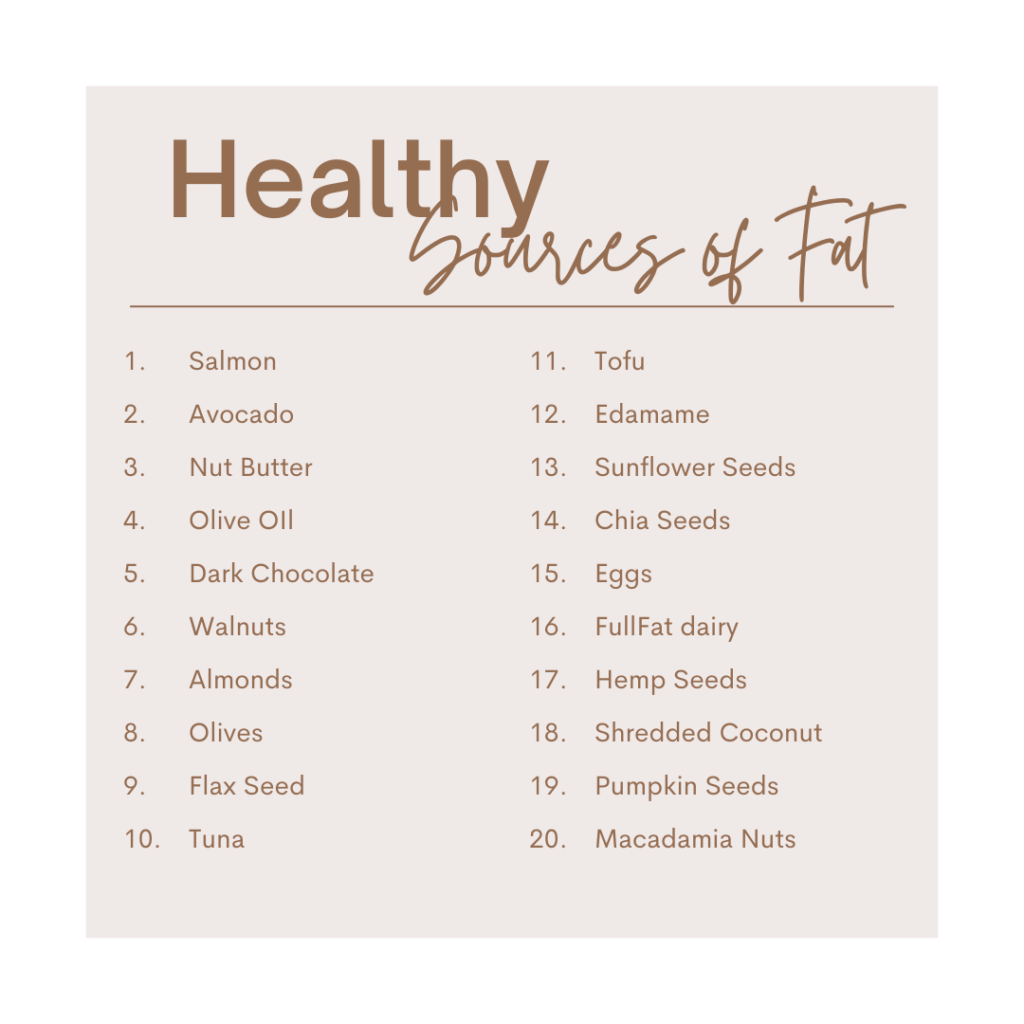
  • Healthy Fats: Sources like avocados, olive oil, nuts, and chia seeds have anti-inflammatory properties that can help counteract the effects of stress.
  • Lean Protein: Including fish, poultry, beans, and lentils in your meals helps keep you full and satisfied, reducing cravings for unhealthy foods.

2. Make Physical Activity a Daily Habit

Regular exercise is one of the most effective ways to manage stress and lower cortisol. Physical activity helps burn off nervous energy and releases endorphins, which are natural mood elevators.  This is where it can get a little tricky though.  I’ve had clients who present with elevated cortisol, who want to decrease body fat, but they are actually over exercising (which is a stressor) and actually triggering their high cortisol!  This is why it’s so important to work with a health professional to ensure you’re not overdoing it.  Within my program, we are going to be able to check cortisol levels (salivary cortisol) with a home test starting this FALL!  No more guessing!  

But back to physical activity, find an activity you genuinely enjoy, whether it’s a brisk walk, a bike ride, dancing, or strength training. It’s the best way to stick to it.  The key is consistency. Aim for at least 30 minutes of moderate activity most days of the week. Be mindful not to overdo it, as excessively intense workouts can sometimes act as a stressor and raise cortisol levels.

3. Practice Mindfulness and Deep Breathing

Mindfulness techniques can help calm your nervous system and pull you out of a “fight-or-flight” state. Deep breathing exercises are particularly powerful because you can do them anywhere, anytime.

Try this simple technique:

  1. Sit or lie down in a comfortable position.
  2. Inhale slowly through your nose for a count of four.
  3. Hold your breath for a count of four.
  4. Exhale slowly through your mouth for a count of six.
  5. Repeat for a few minutes until you feel more relaxed.

4. Prioritize Quality Sleep

Sleep is when your body repairs itself and resets its hormonal balance. A lack of sleep is a major stressor that can send cortisol levels soaring.

To improve your sleep hygiene:

  • Stick to a Schedule: Go to bed and wake up around the same time every day, even on weekends.
  • Create a Relaxing Routine: Wind down before bed with a warm bath, reading a book, or listening to calming music.
  • Optimize Your Environment: Keep your bedroom dark, quiet, and cool.
  • Avoid Screens: The blue light from phones and computers can interfere with melatonin production, the hormone that regulates sleep.

Your Path to a Healthier Balance

Cortisol and weight loss are more connected than you might think, proving that health isnโ€™t just about healthy diet and exercise, itโ€™s about managing stress too. Stress can throw your body out of balance, but by understanding how cortisol works and making intentional lifestyle shifts, you can reduce stress, restore balance, and finally achieve the results youโ€™ve been chasing.

The best part? It starts with small, doable changes. Pick one focus for this week. Maybe itโ€™s adding more leafy greens to your meals or spending just five minutes a day on deep breathing. These tiny tweaks can create big shifts, helping you feel better, stress less, and move closer to your goals. Ready to get started? Letโ€™s do this!

If youโ€™ve stuck around this long, here are a few other gems you might enjoy:

About Me

I’m Melanie.

I’m a chef, registered dietitian, foodie, wife and mom.
If you’re looking for quick and healthy meal inspiration that serves YOU and your family well, then you’ve come to the right place!

Melanie Marcus Selfie

Sweet, Savory, Simple: Honey Garlic Chicken & Zucchini Bowls

If thereโ€™s one vegetable thatโ€™s always on our dinner table during the warm months, itโ€™s zucchini. My absolute favorite summer squash! I love finding new ways to feature it in family meals, especially when my kids actually cheer when they see it in the skillet. Have you seen that TikTokers are even turning it into apple pie? Thatโ€™s how I know this recipe is something special. Whether itโ€™s a crazy-busy weeknight or just a craving for an easy dinner with big flavor, this dish comes to the rescue and wins over even the pickiest eaters in my house.

Jump to Recipe

๐Ÿ˜ Why Youโ€™ll Love Honey Garlic Chicken & Zucchini Bowls

  • Family-Friendly: My own kids, Jules and Max, love this one.  So you know itโ€™ll likely be a hit with your entire family.
  • Super fast and fuss-free: It comes together in about 15-20 minutes, making it perfect for busy weeknights.
  • It’s both healthy and hearty: Tender chicken, crisp tender zucchini, and a variety of veggies bring color and nutrition to every bowl.
  • It is super versatile: Use chicken breasts, boneless chicken thighs, or even ground chicken! Swap in whatever veggies you haveโ€”think green beans, red peppers, or even red onion.
  • This One-Pan Wonder: Easy cleanup with just your favorite skillet!

Outsmart Hormonal Weight Gain

This guide walks you through how unknowingly, hormones may be in the way of your fat loss goals.

Hormone Recipe Guide

If you’re ready to eat to support your hormones, this guide is for you!

Workout with Me

Try one of the custom workouts that my clients and I do daily! Just 30 minutes for results.

๐Ÿ—’๏ธ Ingredients + Substitutions

You only need simple ingredients for this easy recipe (and plenty of delicious options for swaps):

  • 1 lb boneless skinless chicken thighs, cut into bite-sized pieces (try chicken breasts, ground chicken, or even white meat if you prefer)
  • 2 tbsp coconut aminos (swap with gluten-free soy sauce if needed)
  • 1 tbsp honey (go bold with hot honey sauce, or sub in maple syrup for a new flavor)
  • 2 cloves garlic, minced (I often use 4โ€“6 cloves garlic for max flavor)
  • 1 tbsp olive oil or avocado oil
  • 2 medium zucchini, halved and sliced (or yellow summer squash for extra color)
  • 1 cup cooked brown rice, cauliflower rice, or white rice
  • Green onions and sesame seeds for topping

Optional add-ins/toppings:

  • Red pepper flakes, chipotle chili powder, or hot sauce for a spicy kick
  • Red bell pepper, green beans, or a variety of veggies you love
  • Parmesan cheese, blue cheese, chunks of avocado, or ranch dressing for a flavor twist

๐Ÿ’กGluten-Free? Read This!

The entire recipe is naturally gluten-free if you stick to coconut aminos. If you use soy sauce, just make sure itโ€™s the gluten-free kindโ€”always double check those labels! Storing leftovers in an airtight container also keeps cross-contamination at bay, so you can feel confident about your easy meal.

๐Ÿ‘ฉ๐Ÿณ How to Make My Honey Garlic Chicken & Zucchini Bowls

1. Marinate the Chicken:  

In a small bowl, whisk together coconut aminos (or soy sauce), honey, and garlic. Add those chicken pieces and toss until coated. Let it sit for 10โ€“15 minutes for maximum flavor. Season with black pepper, sea salt, and a pinch of onion powder or garlic powder.

2. Cook the Chicken:  

Heat up the olive oil in a large skillet over medium-high heat. Add the marinated chicken (save the extra marinade for later) and cook for 5-6 minutes, until golden brown and cooked through. I like watching the seasoned chicken develop those crispy chicken edges we all crave!

3. Add the Veggies & Sauce:  

Toss in the sliced zucchini and any leftover marinade. Cook over medium heat for about 4-5 minutes, until the zucchini is tender yet crisp and the honey garlic sauce has thickened. Feeling adventurous? A splash of sesame oil or rice vinegar adds even more flavor.

4. Build Your Bowls:  

Layer brown rice, white rice, or cauliflower rice in bowls, top with the chicken and tender zucchini, and finish with green onions and sesame seeds. Add a sprinkle of red pepper flakes, a drizzle of hot sauce, or buffalo sauce for that extra spicy kick.

๐Ÿ““ Best served with

These bowls are super flexible! We love serving them with roasted green beans, a fresh side salad, or on a sheet pan with extra red onion and bell peppers for an easy sheet pan dinner. Chunks of avocado, a handful of your favorite photos of recipes, or even a sprinkle of blue cheese make great add-ons. Sometimes, Jules and Max ask for ranch dressing on the sideโ€”itโ€™s all about what makes your whole family happy!

๐Ÿ‘ How to Store Leftovers

Leftovers never last long in my house, but when they do, just pack them in an airtight container and store in the fridge for up to 3 days. The flavors actually get better the next day as that delicious sauce soaks into the rice. To reheat, use medium heatโ€”perfect for meal prep or a quick lunch.

๐Ÿง  Common Questions

Can I prep this ahead for meal prep?  

Absolutely! Marinate and cook the chicken ahead, then store everything (chicken, rice, and veggies) in separate airtight containers for easy meal assembly all week.

Can I turn this into a sheet pan hot honey garlic chicken?  

Yes! Try my easy sheet pan hot honey garlic chickenโ€”just arrange everything on one side of the baking sheet for easy cleanup and big flavor.

I want to swap out the honeyโ€”whatโ€™s a good substitute?  

Maple syrup works great, or try hot honey for those who like a little heat.

How spicy is this?  

Itโ€™s mild as written, but you can easily amp up the heat with hot sauce, red pepper flakes, or chipotle chili powder for that matter-of-minutes spicy kick!

Join my new 21 DAY reset!

Tired of endless diets and no results? This reset is for you if you want to gain energy, cut the cravings, build strength, decrease bloat and feel amazing going into the holiday season!

๐Ÿ’ช๐Ÿผ Tracking Macros? Check this out

Each bowl delivers balanced nutrition from lean protein (thanks to your choice of chicken breasts, boneless chicken thighs, or ground chicken), fiber-rich veggies, and customizable carbs. Serve with brown rice, white rice, or cauliflower rice based on your goals. The recipe card below includes daily values, so you can track your favorite easy weeknight dinner with confidence. No more guessing!

If counting macros ever feels overwhelming or youโ€™re stuck not seeing progress, youโ€™re not alone. My weight loss program was designed specifically for busy people who want a simple, supportive approach to reaching their goals without feeling restricted or frustrated. If you’d like more guidance, resources, or a plan that fits right into your real life, Iโ€™d love for you to explore what the program has to offer. You deserve to make this journey a little easier (and a lot more delicious)!

Garlic Dijon Chicken

Prep Time 10 minutes
Cook Time 40 minutes
Total Time 50 minutes
Servings: 4
Course: Main Course
Calories: 340

Ingredients
  

  • 1.5 lbs boneless skinless chicken thighs
  • 2 tbsp Dijon mustard
  • 1 tbsp olive oil
  • 2 cloves garlic minced
  • 1 tbsp fresh lemon juice
  • 1 tsp dried thyme
  • 1 tsp dried rosemary
  • 1/2 tsp salt
  • 1/4 tsp black pepper
  • 1 red bell pepper chopped
  • 1 zucchini sliced
  • 1 cup broccoli florets
  • 2 cups cooked wild rice or brown rice

Method
 

  1. Preheat oven to 400ยฐF. In a bowl, whisk together Dijon mustard, olive oil, garlic, lemon juice, thyme, rosemary, salt, and pepper.
  2. Place chicken in a baking dish and brush evenly with the mixture.
  3. Add chopped vegetables around the chicken, drizzle with a little olive oil, and season lightly.
  4. Bake for 25โ€“30 minutes or until chicken reaches 165ยฐF and vegetables are tender.
  5. Serve warm over cooked wild rice for a flavorful, anti-inflammatory meal.

Nutrition

Calories: 340kcalCarbohydrates: 24gProtein: 41gFat: 9gSaturated Fat: 2gPolyunsaturated Fat: 1gMonounsaturated Fat: 4gTrans Fat: 0.02gCholesterol: 109mgSodium: 586mgPotassium: 1000mgFiber: 4gSugar: 4gVitamin A: 1241IUVitamin C: 71mgCalcium: 45mgIron: 2mg

Tried this recipe?

Let us know how it was!

John + Adrienne MacLean – Our FASTer Way Story

As a dietitian and FASTer Way coach, Iโ€™ve had the privilege of guiding so many clients through their fat loss journeys, but John and Adrienneโ€™s story is one that truly stands out. Seeing a former professional athlete and his wife not only embrace the FWTFL lifestyle but completely transform their energy levels, strength, and overall health has been incredible. Their journey is proof that with the right foods, strategic workouts, and a supportive community, anyone can achieve amazing resultsโ€”no matter their prior experience or stage in life. Iโ€™m so excited to share their story with you!

Life After Professional Sports: Johnโ€™s Journey

As a former professional athlete, John spent most of his life training and staying in elite condition while playing hockey. After retiring from the NHL in 2002, he transitioned into coaching and broadcasting. With this career shift, the routine of working out became a distant memory, and over the years, weight gain slowly crept in.

Feeling out of shape and low on energy, John consulted a functional medicine doctor, who introduced him to the FASTer Way program. Through our friendship with Melanie Marcus, we had heard of FASTer Way before but never knew the details. After reviewing his blood test results, John was cleared to start the programโ€”and thatโ€™s when our journey began.

On The GO

Chilled iced coffee in a Starbucks cup on a wooden table creating a refreshing vibe.

I love cooking, but it seems like with 2 school aged children, we are always on the go. Here are some of my go-tos.

Jumpstart Fat Loss

A woman pinches her tricep skin to evaluate body fat in a fitness context.

If your new year’s resolution isn’t delivering results, this fat loss guide is for you. Start feeling the difference right away ๐Ÿ™‚

Intermittent Fasting Quiz

A woman holding a pitcher of water and a glass in a sunny outdoor setting.

Research suggests intermittent fasting can be an effective way to maintain and achieve a healthy weight. But is it right for you?

Building Our Home Gym and Routine

On February 1st, 2024, we committed to FASTer Way and invested in our health. We bought weights, a bench, kettlebells, mats, and even dusted off our Pelotonโ€”transforming our garage into our personal gym. One of the best parts of FASTer Way is that you donโ€™t need an expensive gym membership or extra travel time. No waiting for machines, no awkward gym encountersโ€”just a convenient, time-efficient way to train.

Over the years, we had tried multiple fitness programs, gyms, and trainers, but nothing ever stuck. With FASTer Way, John saw immediate results through a simple, structured approach. The app helped him track his food intake, stay accountable, and keep workouts to just 30 minutes, plus 20 minutes of cardio.

Each night, we review the next dayโ€™s workout and macro goals, ensuring we are fully prepared. One year later, John is down 45 pounds, back to his playing weight and waist size, and has regained his strength and stamina. He even had to buy an entirely new wardrobeโ€”a welcome expense for a great reason! The transformation has been incredible.

Staying on Track with a Demanding Schedule

Johnโ€™s schedule is non-stopโ€”with early mornings, long game days, and late nights due to 7:30 PM hockey games. However, he starts his day strong with a FASTer Way workout, a Peloton ride, and a protein-packed coffee with creatine before heading to the rink.

The app has helped him become more mindful of his food choices, especially while traveling. He now prioritizes whole-food, grass-fed protein and even invested in a new water bottle to stay on top of hydration.

The results have been so noticeable that friends, family, and colleagues constantly ask, โ€œWhat are you doing?โ€ The answer? “The FASTer Way!” Even Johnโ€™s former coaching colleagues are curious about his success and how healthy he looks.

Adrienneโ€™s Transformation: Strength, Energy & Pain Relief

About a month into Johnโ€™s journey, he told me, โ€œIf Iโ€™m doing this, youโ€™re doing it with me!โ€ So, I joined the FASTer Way communityโ€”and Iโ€™m so glad I did!

At first, I was skeptical, but it didnโ€™t take long for me to see real results. This program leveled up my fitness, and now I look forward to Monday HIIT and Tuesday Tabata! I have always been active, but this is the easiest program to stay consistent with, progress properly, and maintain. I feel stronger now than I did in my 30s, and Iโ€™m turning 60 this year.

As a former professional golfer, the strength and endurance Iโ€™ve gained have directly impacted my gameโ€”I hit the ball farther, and I donโ€™t fatigue as quickly under tournament conditions. A major bonus? No more back pain, something Iโ€™ve dealt with for most of my life.

The best part of this entire journey has been committing to this lifestyle together.

Reconnecting with Our Coach, Melanie Marcus

An extra-special bonus of this experience has been reconnecting with our dear friend, Melanie Marcus.

Melanie has been an incredible coach, uniquely understanding the challenges John faced transitioning from an NHL lifestyle to everyday life. She guided him through the FASTer Way app, provided nutrition tips for traveling, and helped him stay accountableโ€”without making it feel overwhelming.

With a former professional athlete, coaching requires a delicate balanceโ€”pushing for progress while respecting past training experiences. Melanie did exactly that.

Why We Recommend FASTer Way

We wholeheartedly recommend FASTer Way to anyone looking to lose weight, gain strength, and build sustainable habits. This isnโ€™t just another dietโ€”itโ€™s a lifestyle change that truly works.

If youโ€™re considering it, give it a tryโ€”you wonโ€™t be disappointed! ๐Ÿš€

What is the FASTer Way all About?

The FASTer Way to Fat Loss (FWTFL) is a sustainable lifestyle program that combines intermittent fasting, carb cycling, whole food nutrition, and strength training to help you achieve amazing results. Founded by Amanda Tress, this 6-week program is designed to be a long-term solution for fat loss, energy levels, and overall health.

Key Components of the FWTFL Program

Intermittent Fasting & Eating Schedule โ€“ Learn when and how to eat to fuel your body efficiently.
Carb Cycling โ€“ Incorporates low-carb days, regular macro days, and low macro days to optimize fat loss.
Whole Foods & Nutrition Program โ€“ Focuses on real foods, healthy fats, and the right foods for long-term success.
Strength Training & HIIT Workouts โ€“ Includes upper and lower body, gym workouts, including mobility workouts for rest days.  Each are about 30 minute workouts to help build muscle.
FWTFL App & Coaching โ€“ Get access to the Faster Way app, and certified coach for guidance every step of the way. When you sign up using this link, you ensure that I am your coach + dietitian for the whole program.  
Supportive Community โ€“ Engage with a small group on Social Glow throughout the VIP program to stay motivated.


Why FASTer Way Works

For first-time clients, the prep week sets the foundation for success. Throughout the first round, youโ€™ll learn how to balance food groups, fitness goals, and meal guides while following a structured workout plan. Many clients, including those with prior experience in other programs, see great results in the first weekโ€”with progress photos showing a different person in just a few weeks.

The main reason this program is a game changer is that itโ€™s not just a short-term weight loss programโ€”itโ€™s a lifestyle change. Clients who previously struggled with yo-yo dieting finally find a sustainable way to build muscle, burn fat, and improve energy levels in the long run.

Is It the Right Time for You?

If youโ€™re looking for a fitness program that offers immediate access, clear weekly meal plans, and a personal trainer feel, this is the best decision you can make. This honest review proves that hard work and the right reasons lead to better shape and lasting success.

Join today and take control of your healthy lifestyle with FASTer Way! ๐Ÿ’ช๐Ÿ”ฅ

About Me

I’m Melanie.

I’m a chef, registered dietitian, foodie, wife and mom.
If you’re looking for quick and healthy meal inspiration that serves YOU and your family well, then you’ve come to the right place!

Melanie Marcus Selfie

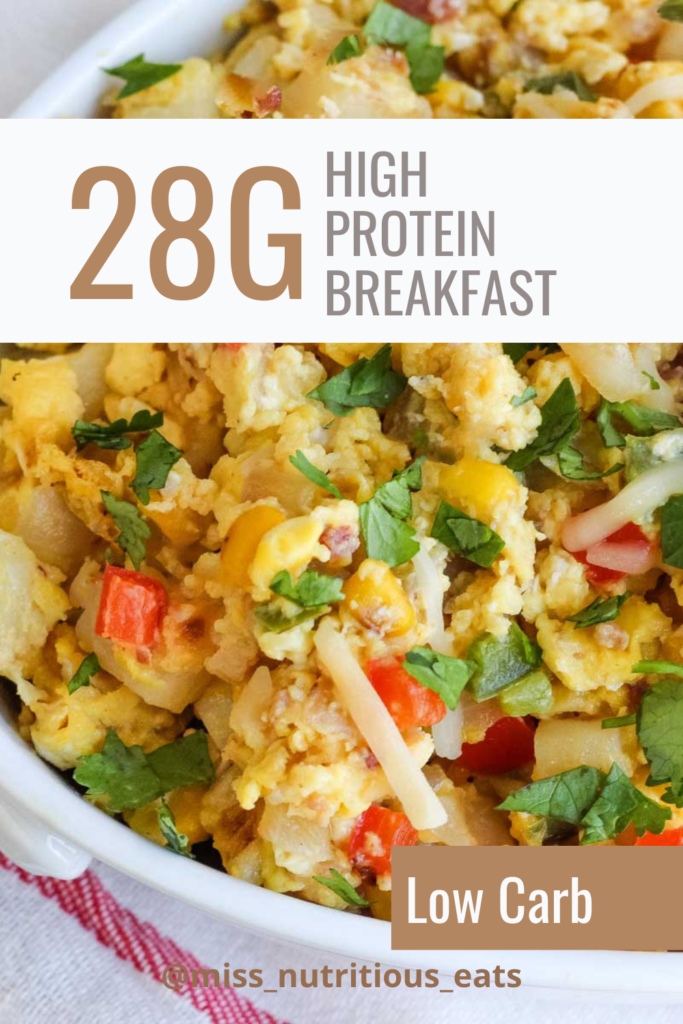
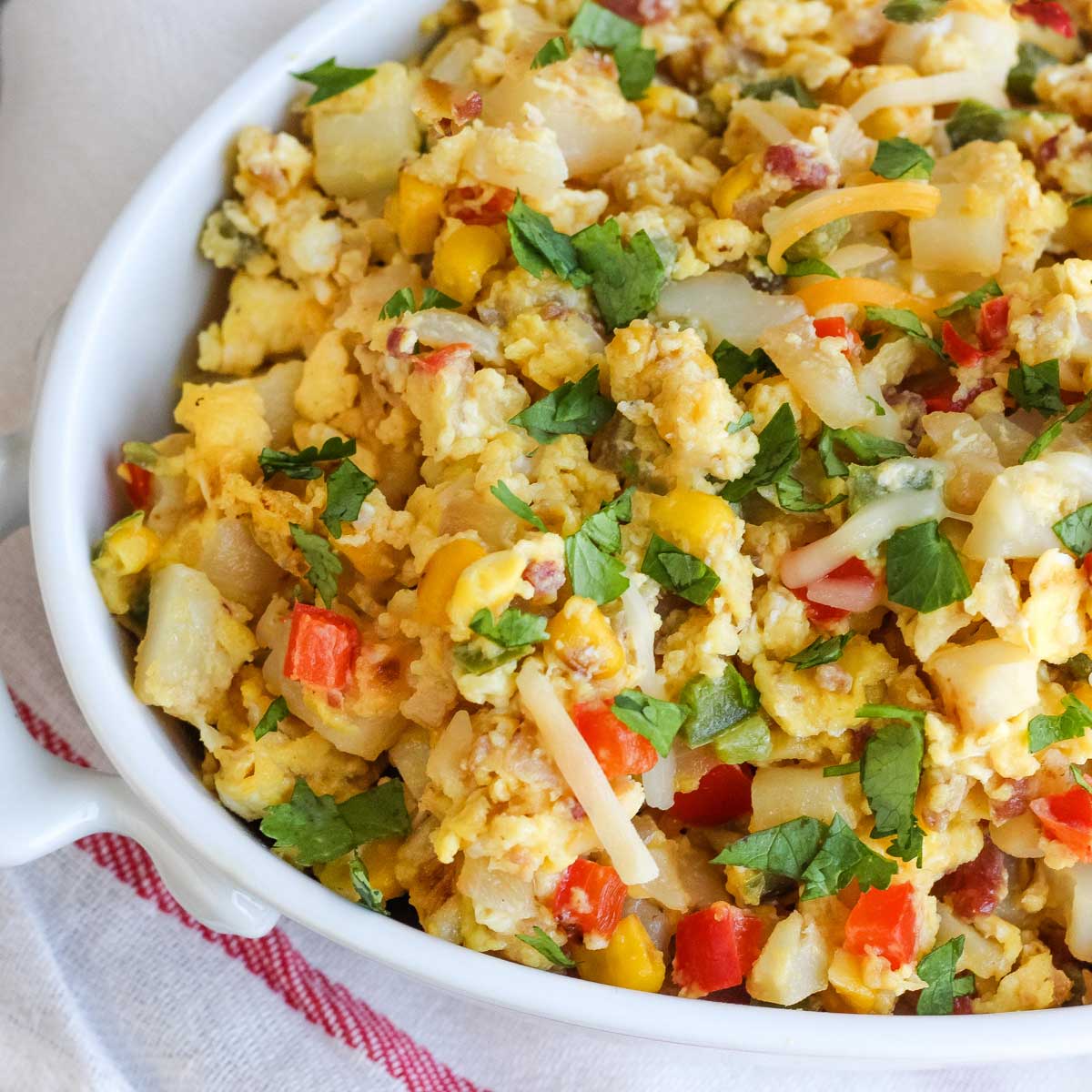
Turkey Sausage Scramble Recipe with 28g Protein

Need a tasty, protein-packed breakfast to kickstart your day? This turkey sausage breakfast scramble has you covered delivering 28g protein per serving! Itโ€™s loaded with turkey sausage, eggs, fresh bell peppers, and creamy avocadoโ€”basically, everything you need for a satisfying and healthy start. Whether youโ€™re tracking macros, tryin to stay low carb or counting Weight Watchers points, this is an easy, balanced meal, this dish is super customizable and totally hits the spot.

Jump to Recipe

๐Ÿ˜ Why Youโ€™ll Love This Turkey Sausage Breakfast Scramble  

  1. High in Protein – Packed with turkey sausage and eggs, itโ€™s the perfect breakfast to fuel your body and keep you energized throughout the day.
  2. Easy to Customize – Add your favorite veggies, swap ingredients, or adjust portion sizes to fit your needs.
  3. Meal Prep Friendly – Make it ahead of time and enjoy a healthy, stress-free breakfast on busy mornings. Did you know you can freeze scrambled eggs?
  4. Weight Watchers Approved – With its balanced whole food ingredients, this recipe fits into nearly every healthy eating plan.
  5. Bursting with Flavor -The savory turkey sausage and creamy avocado make every bite something to enjoy.

Bonus: itโ€™s great for meal prep, so busy mornings are no problem.

Jump to Recipe

๐Ÿ—’๏ธ Ingredients + Substitutions  

large eggs: Eggs are the main protein base. You can substitute with liquid egg whites for a lower-fat option, or use a mix of eggs and egg whites to balance flavor and nutrition. Plant-based egg alternatives like JUST Egg can also work for a vegan version.

lean turkey sausage, crumbled: This adds protein and savory flavor. You can swap it with breakfast turkey sausage, chicken sausage, or plant-based sausage for a vegetarian option.

diced bell peppers: Bell peppers add color, crunch, and nutrients. Feel free to use any color or replace them with diced sweet potatoes, green onions, or even zucchini for variety.

coconut oil: Coconut oil provides a rich flavor, but for a lighter option, use olive oil or nonstick spray. Butter or ghee can add a creamy texture if preferred.

Optional toppings: Toppings like cheddar cheese, onion powder, or hot sauce boost flavor. For dairy-free options, try nutritional yeast or plant-based cheese. Other toppings like salsa or fresh herbs can brighten it up too!

๐Ÿ’ก Gluten-Free? Read This!  

This turkey sausage breakfast scramble is naturally gluten-free but always check your turkey sausage label for ingredients like citric acid. Some food products may include additives!  

๐Ÿ‘ฉโ€๐Ÿณ How to Make My Turkey Sausage Scramble  

Heat Coconut Oil in a Skillet  

Use a large skillet over medium heat. Add crumbled turkey sausage and cook until the internal temperature reaches 165ยฐF. Remove and set aside.  

Sautรฉ Bell Peppers  

Sautรฉ diced bell peppers in the same skillet for 2-3 minutes until softened.  

Scramble Eggs  

Whisk whole eggs in a medium bowl, pour eggs into the skillet, and stir occasionally to create fluffy scrambled eggs.  

Combine and Season  

Add the turkey sausage crumble back into the skillet and mix everything together. Season with salt, black pepper, or onion powder.  

Top with Avocado and Cilantro  

Fold in diced avocado and sprinkle fresh cilantro for a finishing touch. Tons of flavor in every bite!  

๐Ÿ““ Best Served With  

  • Low Carb Option: Pair with a spring mix or roasted veggies like sweet potatoes.  
  • Balanced Macro Option: Add a slice of sourdough bread, hash browns, or fresh fruit like berries or melon.  
  • For Variety: Incorporate into sausage breakfast burritos or a breakfast casserole for meal prep!  

Join my new 21 DAY reset!

Tired of endless diets and no results? This reset is for you if you want to gain energy, cut the cravings, build strength, decrease bloat and feel amazing going into the holiday season!

๐Ÿ‘ How to Store Leftovers  

  • Store the turkey sausage breakfast scramble in an airtight container in the fridge for up to 3 days.  
  • Reheat on a skillet over medium heat or try using an air fryer for even heating.  

๐Ÿง  Common Questions  

Can I use liquid egg whites instead of whole eggs?  

Yes! Liquid egg whites are a perfect way to reduce the fat and calorie content while maintaining the grams of protein.   

Is this recipe Weight Watchers-friendly?  

Absolutely! Use the WW app to track specific ingredients like lean ground turkey, veggies, and eggs.  

I struggle breaking my fast with 30g protein, any other suggestions

Chocolate Baked Oatmeal

Check out these 30 ideas for meals made with cottage cheese.

๐Ÿ’ช๐Ÿผ Tracking Macros? Check This Out  

  • Protein: ~25 g protein per serving, thanks to lean turkey sausage and whole eggs.  
  • Fat: Adjust with olive oil, cooking spray, or liquid egg whites for lower g fat options.  
  • Carbs: Minimal carbsโ€”pair with veggies like black beans or sweet potatoes for added fiber.  

Avocado and Turkey Sausage Scramble

A quick, protein-packed turkey sausage scramble with eggs, veggies, and avocado that's perfect for a healthy start or easy meal prep.
Prep Time 5 minutes
Cook Time 10 minutes
Total Time 15 minutes
Servings: 4
Course: Breakfast
Cuisine: American
Calories: 316

Ingredients
  

  • 8 eggs large
  • 4 oz lean turkey sausage crumbled
  • 1 avocado diced
  • 1/2 cup bell pepper diced
  • 1 tbsp coconut oil
  • 1 tbsp fresh cilantro chopped (optional)
  • salt and pepper to taste
  • 1 cup egg whites

Method
 

  1. In a skillet, heat the coconut oil over medium heat.
  2. Add the crumbled turkey sausage and cook until browned and fully cooked, about 5-7 minutes.
  3. Remove the sausage from the skillet and set it aside.
  4. In the same skillet, sautรฉ the diced bell pepper for 2-3 minutes until slightly softened.
  5. Whisk the eggs in a bowl, then pour them into the skillet, stirring occasionally to scramble.
  6. Once the eggs are almost set, add the cooked turkey sausage back into the skillet and mix everything together.
  7. Season with salt and pepper to taste.
  8. Finally, remove from heat and gently fold in the diced avocado and chopped cilantro before serving.

Nutrition

Calories: 316kcalCarbohydrates: 7gProtein: 28gFat: 22gSaturated Fat: 7gPolyunsaturated Fat: 3gMonounsaturated Fat: 9gTrans Fat: 0.1gCholesterol: 349mgSodium: 398mgPotassium: 578mgFiber: 4gSugar: 2gVitamin A: 1160IUVitamin C: 30mgCalcium: 66mgIron: 2mg

Tried this recipe?

Let us know how it was!

About Me

I’m Melanie.

I’m a chef, registered dietitian, foodie, wife and mom.
If you’re looking for quick and healthy meal inspiration that serves YOU and your family well, then you’ve come to the right place!

Melanie Marcus Selfie

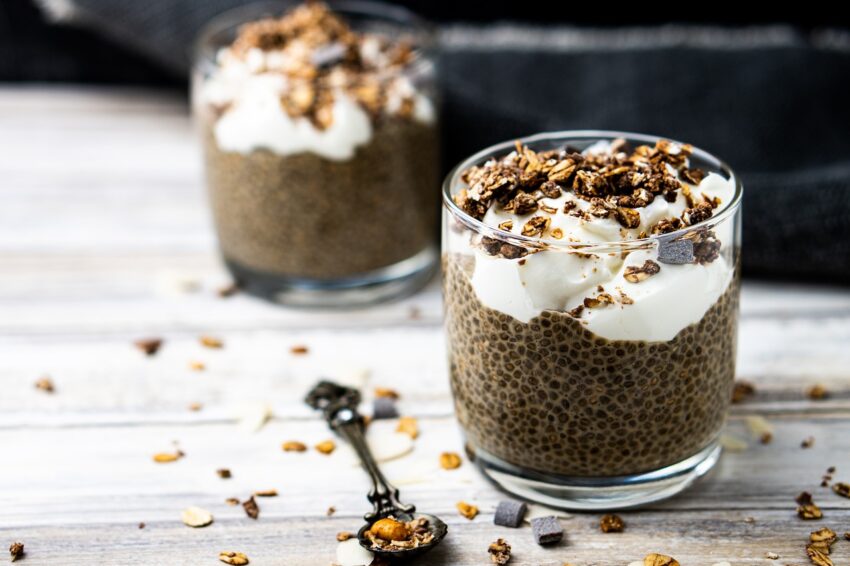
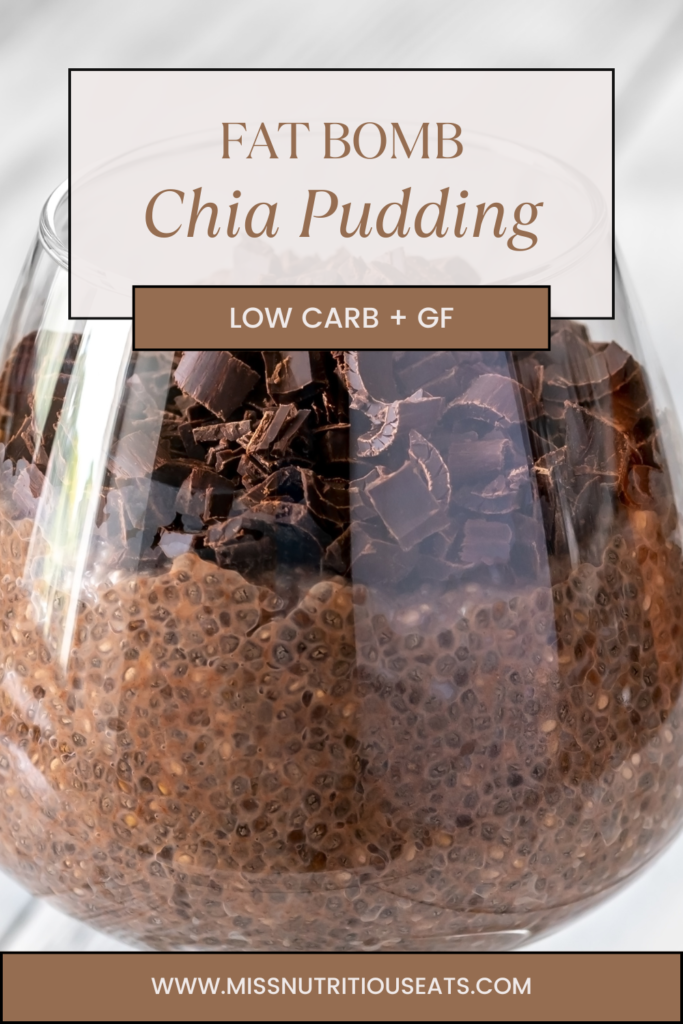
Chocolate Chia Pudding Recipe (Fat bomb + low carb)

One night after dinner, I checked my macro tracker and noticed I was off by 100g fat.  One hundred grams! It was a low carb day and I made a fatal mistake.  I ate intuitively according to my regular macros, and didn’t account for fat changes in my carb cycling!  That’s where this chia pudding was born.  I’m not into fat bombs, you know, the ones that combine peanut butter and coconut, covered in chocolate but I do like a pudding, so here is what I came up with.  

Whether you’re following a low-carb diet, the ketogenic diet, or cycling between carb-up and low-carb days, this creamy keto chocolate chia pudding is here to keep you on track. Packed with healthy fats, 12 grams of fiber, and a rich chocolate flavor, this recipe for chocolate chia pudding is an ideal way to crush your sweet craving. And if balancing your fats is a common issues, check out this post all about fat macros.

๐Ÿ˜ Why Youโ€™ll Love This Chocolate Chia Pudding  

The main reason this low carb chia pudding stands out is versatility. It makes the perfect low carb breakfast, a perfect snack, or even a keto dessert for those days when your sweet tooth just won’t quit. Hereโ€™s why itโ€™s so loved among keto enthusiasts and low-carb dieters alike:

  • Rich and Creamy Texture: Thanks to full-fat coconut milk and optional toppings, this pudding mimics a decadent dessert.  
  • Loaded with Healthy Fats: Ingredients like โ€‹chia seeds are a great source of omega-3 fatty acids and fatty acids to keep you full and satisfied.  
  • Perfect for Weight Loss Goals: High fiber and fat content help stabilize blood sugar and curb hunger, aiding in your weight loss momentum.  
  • Customizable for different flavors and textures, this base recipe can be adapted into a berry chia pudding, chocolate chia seed pudding, or even coconut chia pudding.  
  • Simple Steps = Big Results: This is an easy recipe made with whole foods, ready in under five minutes with no added sugarโ€”you can even make it while meal prepping.  

๐Ÿ—’๏ธ Ingredients + Substitutions  

Hereโ€™s what you’ll need to make this classic keto chocolate chia pudding:

  • 3/4 cup canned coconut milk:  Full-fat coconut milk helps increase total fats and offers a creamier texture.  If you don’t need as many fats, try using 2 or 4 oz coconut milk and substitute almond milk for the rest.  
  • 2 Tbsp chia seeds (can use ground chia seeds for a finer feel): These are essential for creating that magic gelatinous structure we all love.  
  • 1/2 scoop FASTer Way chocolate protein powder (or replace with unsweetened cocoa powder and a keto sweetener, like monkfruit or stevia).  
  • 1/2 tsp vanilla extract for enhanced flavor.  

Optional Toppings:

  • Mixed nuts, dusting of cacao powder, a dollop of coconut cream, or a drizzle of peanut butter or almond butter for an extra indulgent touch.

Substitutions for Personalizations:

  • Replace coconut milk with unsweetened almond milk or heavy cream for a lighter pudding with fewer total fats.  
  • For a twist on texture, top with dark chocolate shavings to enhance the chocolate pudding vibes.  

Make sure to scroll to the bottom of this post for the printable recipe card!  

Jump to Recipe

If your doctor or dietitian has suggested a heart-healthy diet, you might want to be cautious with this recipe. Itโ€™s pretty high in saturated fat, mostly from coconut, which is something to limit in these diets. While the fat gives the dish its rich, creamy texture and stays solid at room temperature, it might not fit the guidelines for heart health.

If you have questions about this, you can email me at melanie@missnutritiouseats.com

๐Ÿ’ก Gluten-Free? Read This!  

If you’re wondering whether this recipe caters to gluten-free diets, the answer is a capital Y-E-S! All listed ingredients are naturally gluten-free, as are most low-carb sweetener .

For the best results, always cross-check any flavoring or supplement product (like protein powders) for hidden added sugar or gluten derivatives. Stick to brands with clean ingredient lists to align with your whole foods diet.  I like to use the FASTer Way Chocolate Hydrobeef protein powder which has 98 calories and 20g protein.

๐Ÿ‘ฉโ€๐Ÿณ How to Make My Chocolate Chia Pudding  

This creamy pudding comes together in three simple steps.  

  1. First Step: Combine the chia seeds, cocoa powder or protein powder, vanilla extract, and canned coconut milk in a mug or mason jar. 
  2. Whisk Well, no need for a food processor unless you want a smoother texture. Ensure the seeds are evenly dispersed to prevent clumps.  
  3. Refrigerate for 5-10 minutes:  Other recipes may need to Refrigerate for 4+ hours (or overnight) in an airtight container but because we’re using a thick coconut milk, this one comes together quickly.

Enjoy your low carb chocolate chia pudding cold for the best consistency.  

๐Ÿ““ Best Served With  

Make this the hero of your snack or breakfast with these fun pairings:

  • Top with fresh fruit like fresh blueberries or frozen strawberries for a pop of brightness.  
  • Make a berry chia pudding by layering with mixed berries once it’s firmed up.
  • Personally, I love to top with cocowhip and a handful of nuts if I have the macros.

๐Ÿ‘ How to Store Leftovers  

This chia pudding keto recipe is perfect for meal prep! Here’s how you can store any leftovers:

  • Place pudding in an airtight container or keep individual portions in a mason jar.  
  • It lasts 5-7 days in the fridge. If your pudding thickens too much, stir in some room temperature coconut milk or unsweetened almond milk, even water to restore its creamy texture.  

๐Ÿง  Common Questions  

What are the grams of net carbs per serving?  

With 12g fiber and 22g total carbs, this pudding contains approximately 10g net carbs. Perfect for a keto dessert or snack on a low carb diet.

Are there other flavor options?  

Absolutely! This base recipe is highly versatile. Change up the protein powder flavor or omit it all together.  Add flavors like keto maple syrup, espresso shots, or crushed favorite berries for a twist.

Join my new 21 DAY reset!

Tired of endless diets and no results? This reset is for you if you want to gain energy, cut the cravings, build strength, decrease bloat and feel amazing going into the holiday season!

๐Ÿ’ช๐Ÿผ Tracking Macros? Check This Out  

Nutritional Information (per serving):  

  • 596 calories  
  • 22g total carbs  
  • 12g fiber  
  • 51g fat  
  • 21g protein  

For accuracy, use food databases to verify the nutritional values of specific brands and toppings you choose. The combination of more sweeteners or toppings may adjust macro totals.

This keto dessert is not just low-carb; it’s nourishing and loaded with nutritional benefits like omega-3s and tons of fiber, all contributing to steady blood sugar and long-lasting satiety.

Start Making Chia-based Magic  

Whether you’re on a ketogenic diet, exploring chia recipe options, or simply on a mission for flavor-packed, nutrient-dense dishes, this low carb chocolate chia pudding checks all the boxes. Itโ€™s proof that clean eating can be ultra satisfying. If you’re a chocolate lover like me- try this chocolate oats recipe. I bet you’ll love it too!

Loved this recipe or have ideas to modify it? Share your experience in our comments below or tag us on social for a chance to be featured. And don’t forget to grab your ingredient list now from the printable recipe card at the bottom of this post.  

Chocolate Chia Pudding (Low Carb)

I like this recipe for low carb days when I have a lot of fats to make up for at the end of the day!
Prep Time 8 minutes
Servings: 1
Course: Dessert
Calories: 596

Ingredients
  

  • 3/4 cup coconut milk canned, full fat
  • 1/2 scoop FW Chocolate Protein Powder 20g/scoop
  • 2 Tbsp Chia seeds
  • 1/2 tsp vanilla
  • 1 oz fancy nuts optional

Method
 

  1. Combine the first 4 ingredients in your large mug or bowl.
  2. Use a hand blender to combine everything and let firm up in the fridge for 5-10 minutes.
  3. Top with nuts before serving.

Nutrition

Calories: 596kcalCarbohydrates: 22gProtein: 21gFat: 51gSaturated Fat: 39gPolyunsaturated Fat: 6gMonounsaturated Fat: 2gTrans Fat: 0.03gCholesterol: 25mgSodium: 54mgPotassium: 619mgFiber: 12gSugar: 7gVitamin A: 53IUVitamin C: 5mgCalcium: 229mgIron: 6mg

Tried this recipe?

Let us know how it was!

You went over your fat macros (tips for what to do)

I always loved tracking macros. I think of them as a personal magic formula that helps me zero in on my body composition goals. They are basically a roadmap to get me where I want to be. Tracking them is a very effective way to achieve fat loss, muscle gain, or just maintain a healthy weight. That said, there is a learning curve.

Reigning in the fat macros is one challenge that clients and I often work through together.  It’s super common to go over because fat is sneaky!  My personal downfall is crafting the perfect Greek salad with all the toppings to keep my numbers in check. So if this sounds familiar – you’re not alone. Many people struggle with managing their fat intake while ensuring they hit their protein and carbohydrate goals – myself included.

So let’s get into it. Why you might you be going over your fat numbers, how it does it affect your calorie goal, and most importantly, how can you tweak your food choices to meet your macro targets. 

Why Does It Matter?

First off, if youโ€™re tracking macros, youโ€™re probably already aware that macronutrientsโ€”protein, fat, and carbohydratesโ€”make up your total calorie intake. Each macronutrient has a specific role in your health (and fitness) journey, and hitting the right balance of each is key to achieving those body changes that you may be after. Think leaner legs, flatter tummy or more defined arms.   

If youโ€™re aiming for fat loss, youโ€™ll need to maintain a slight calorie deficit, which means consuming fewer calories than your body burns. Fat intake can be one area where people accidentally overshoot, especially since fats are calorie-dense: there are 9 calories per gram of fat compared to 4 calories per gram of protein or carbs.

Too much dietary fat can throw off your macro ratios and prevent you from hitting your protein targets or staying within your calorie goal for the day. Letโ€™s say you’re eating a large amount of healthy fats like olive oil, peanut butter or avocadosโ€”great choices for overall healthโ€”but if you’re not careful, you may find yourself overshooting your fat macros and ending up with more total calories than you intended.

So, how do you keep your fat macros in check?

person holding phone taking picture of served food

1. Track Your Food

Use a Food Diary or App: One of the best ways to monitor your fat intake is by logging everything you eat. Apps like MyFitnessPal or the FASTer Way can help you track the exact amounts of fat in your meals, making it easier to stay on target.

Before you download that app, be sure you’re working with the right macronutrient split that aligns with your individual needs and health goals. Most macro calculators can help determine your macro ratios based on your activity level, body weight, and fitness goals. That said, I strongly recommend working with a registered dietitian to determine your specific needs.  It’s important to consider past medical history and any conditions such as chronic disease or pregnancy to name a few. When clients work with me during my 6 week program, I provide custom macros and we adjust as needed.  
For example, if your goal is fat loss, your macro ratios might look something like this:

sliced meat on white plate

2. Choose Leaner Sources of Protein

Another potential reason for going over your fat targets could be from protein sources that also contain higher amounts of fat. For example, cuts of meat like ribeye steak, ground beef, ground turkey or certain fattier fish can be higher in fat. Some lunch meats like bologna, roast beef (and cheeses too) If you’re eating these regularly, they could be contributing more fat than you realize.
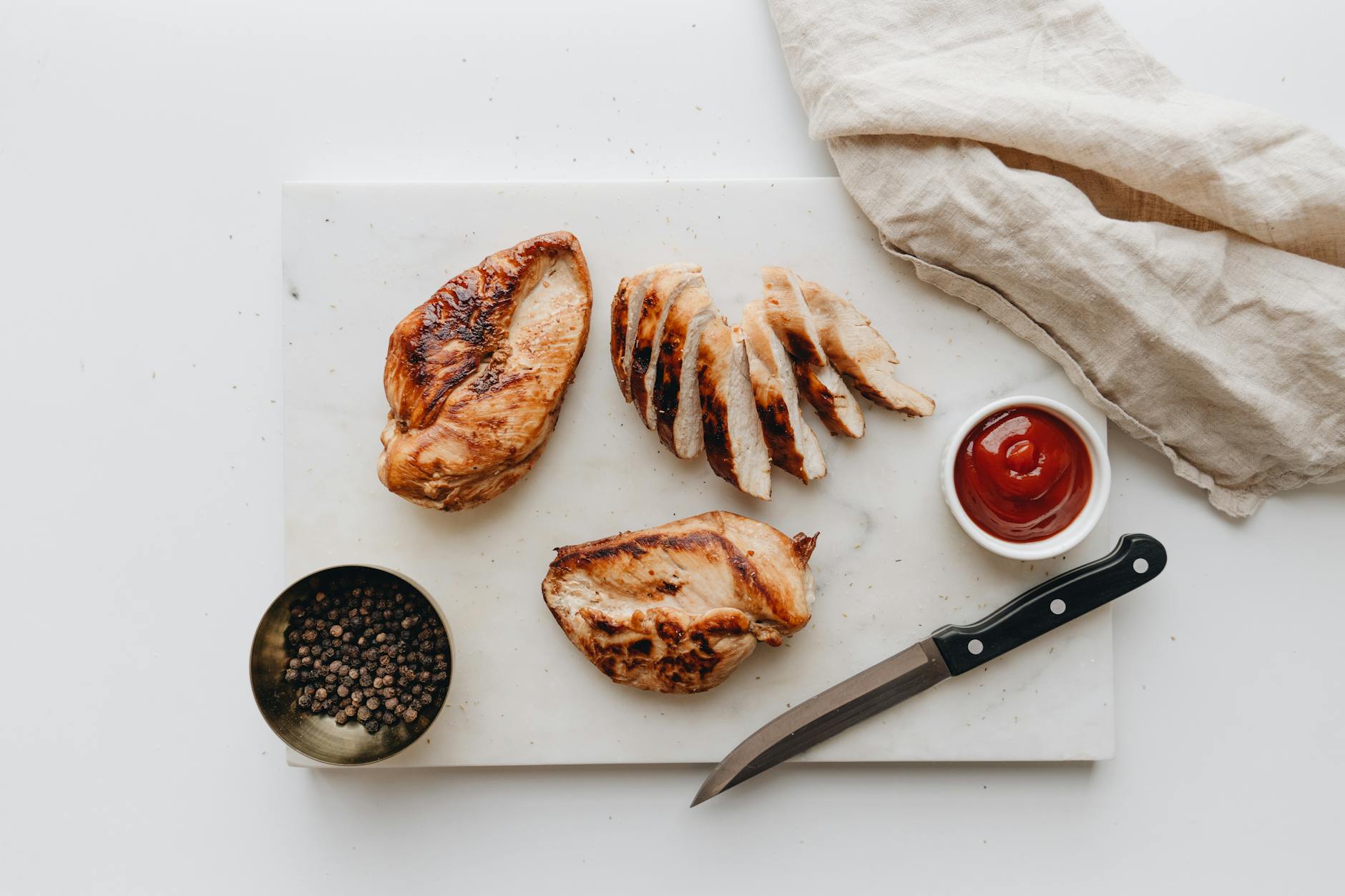
Switching to lean proteins like chicken breast, lean beef, turkey, or egg whites can help you hit your protein targets (including getting enough protein for muscle maintenance and fat loss) without exceeding your fat macros. For vegetarian or vegan options, tofu, tempeh, and legumes can also provide high-quality protein with lower fat content.

Opt for Lean Meats: Chicken breast, turkey, and lean cuts of beef or pork are lower in fat. Fish like cod or tilapia are also excellent low-fat options, whereas fattier fish (salmon, mackerel) are higher in fat but still very healthy.

Trim Visible Fat: When preparing meat, remove any visible fat from cuts like steak or pork chops to reduce fat intake.

Protein shake or protein bars can be a great way to meet your gram of protein goal without adding extra fat. Many of these products are designed to be lower in fat but still high in amino acids that help with muscle recovery and growth. 

Some options you may like:

1
Baked Chicken Parm
Check out this recipe
2
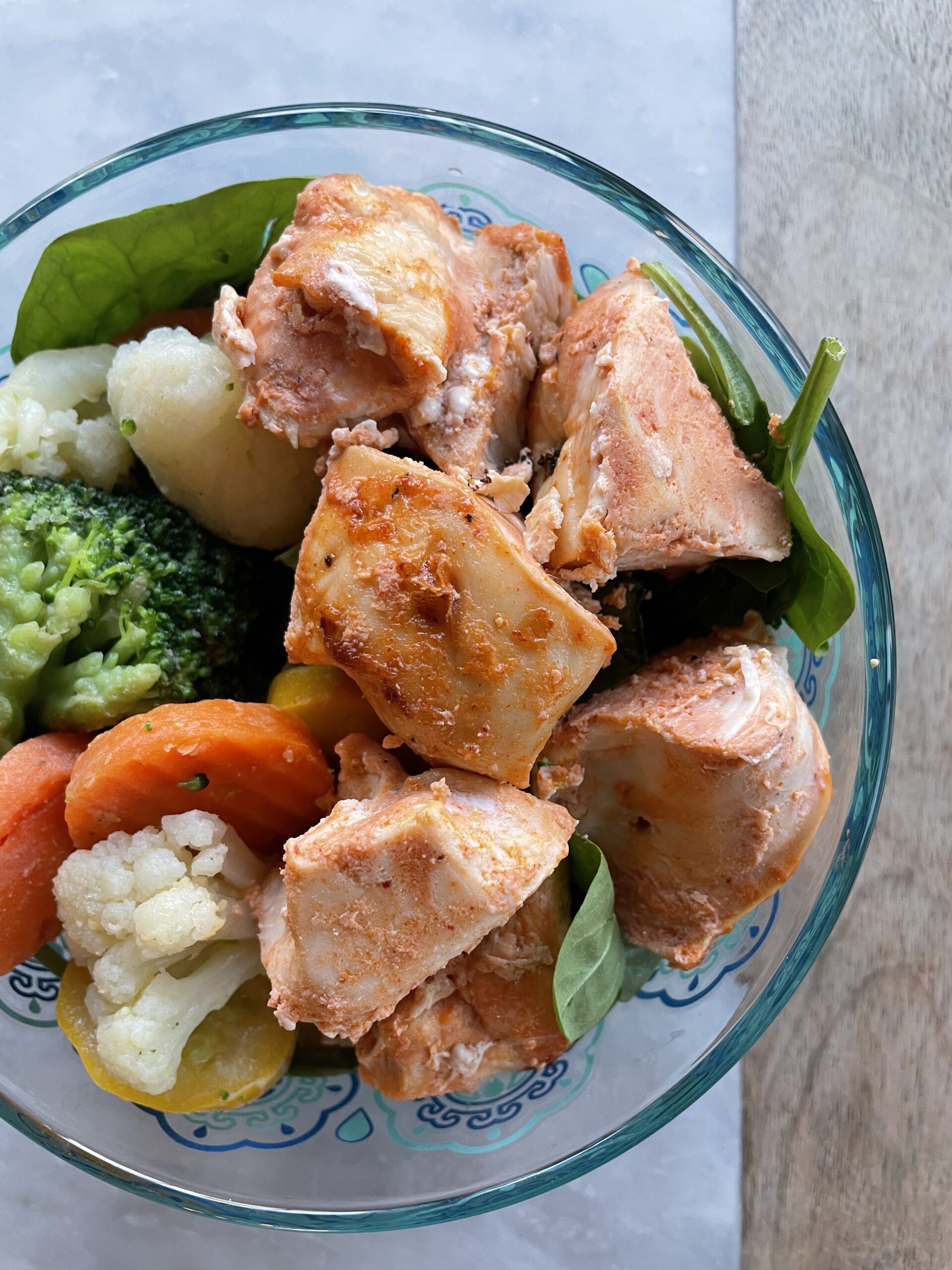
Chicken and vegetable stew
Chicken & Vegetable Stew (slow cooker)
Check out this recipe
3
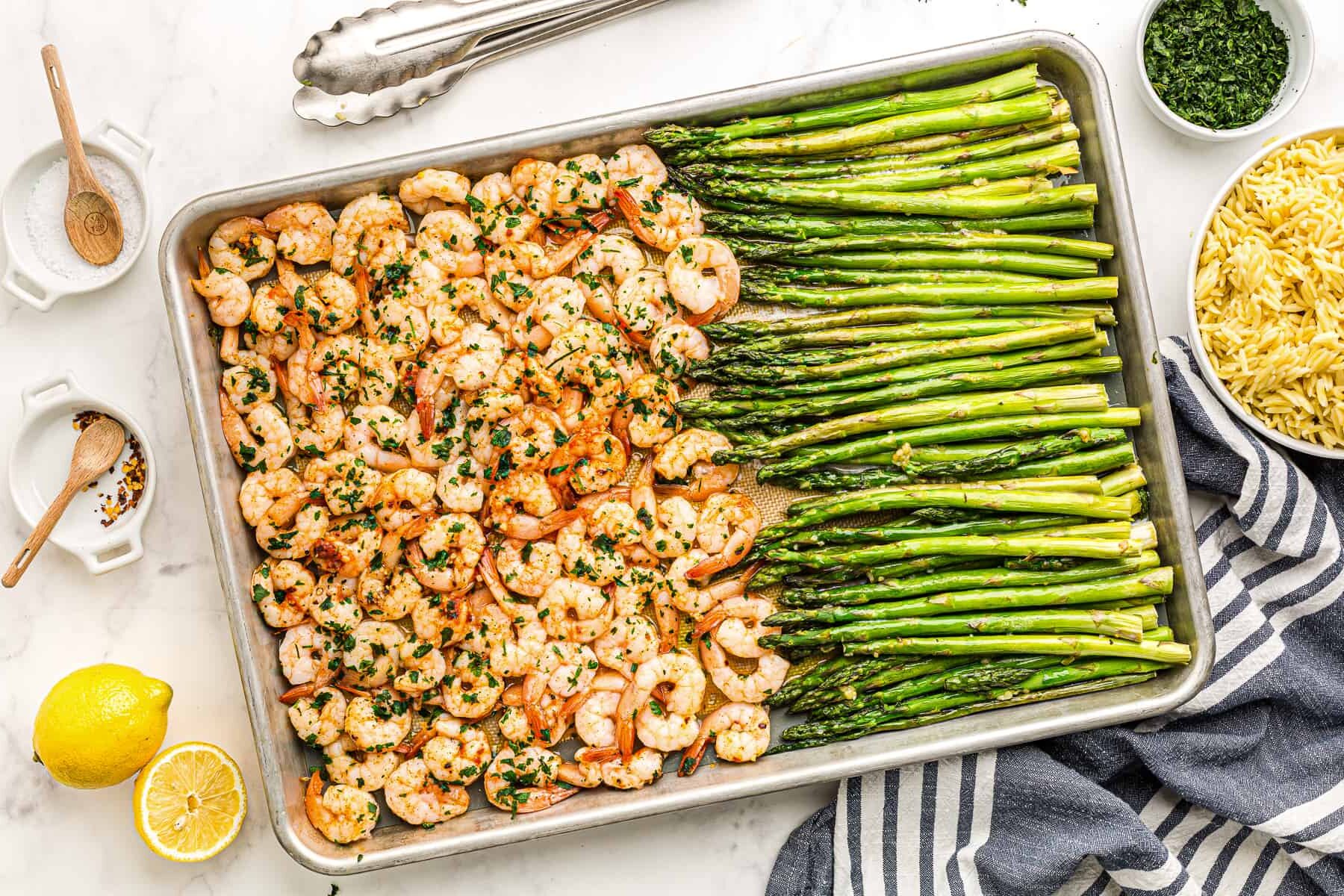
Sheetpan Shrimp and Asparagus
Check out this recipe
4
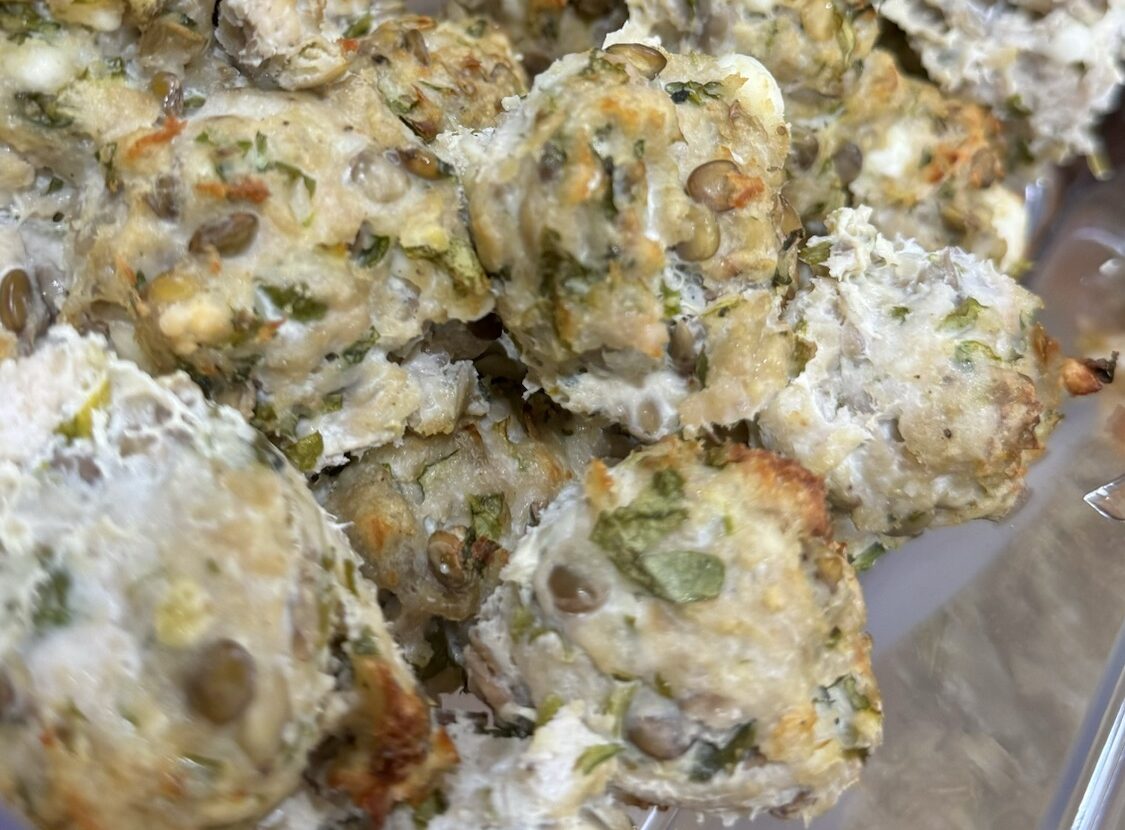
Mediterranean Turkey Lentil Meatballs
Check out this recipe

3. Limit Added Oils and Butters

Certain foods, even though they’re healthy, can easily contribute to fat gain if consumed in large amounts. Sources of fat in particular have 2.5 x’s the calories of protein and carbohydrate.  So you can imagine those calories rack up quickly. Itโ€™s important to be mindful of how much fat youโ€™re eating if you want to hit your fat targets without going over.

Here are some fat-heavy foods to be cautious with:

  • Measure Oils: If you’re cooking with oil, measure it out rather than pouring freely. Even healthy oils like olive oil can quickly add up in fat if used in excess. A tablespoon of olive oil has about 14 grams of fat and 120 calories. If youโ€™re not careful, that can add up quickly! 
  • Use Non-stick Cookware: Non-stick pans can help reduce the amount of oil or butter needed for cooking.
  • Alternative Cooking Methods: Try grilling, steaming, baking, or air frying instead of frying, as these methods typically require less fat.

My top tip for clients who love peanut butter is to trade in your regular jar for a jar of powdered peanut butter on days you need to limit fat. It has all the flavor without the calories. GAME CHANGER!

4. Mindful Use of Nuts, Seeds, and Nut Butters

Watch Portion Sizes: Nuts, seeds, and nut butters are excellent sources of healthy fats, but they’re also quite calorie-dense, so it’s easy to go overboard. A small handful of almonds (about 23 almonds) can contain around 14 grams of fat. If you’re eating several servings in a day, it could easily push your fat numbers higher than you’d like. Stick to recommended serving sizes (e.g., about 1 ounce of nuts or 1 tablespoon of peanut butter) to keep your fat intake in check.

Use Them Sparingly: Instead of using nuts or seeds as a snack in large quantities, try sprinkling them over a salad or adding them to smoothies for a more controlled portion.

Try using a food scale or measuring spoons to control your portions especially for nut butters.  Measuring out a single serving (usually around 2 tablespoons) can help keep you within your macro targets.

5. Choose Low-Fat Dairy or Alternatives

Switch to Low-Fat Dairy: If you can tolerate dairy, consider switching to low-fat or fat-free versions of milk, yogurt, and cheese.

Plant-Based Alternatives: If you’re dairy-free, options like almond milk, soy milk, or low-fat coconut yogurt can be lower in fat than their full-fat counterparts.

5
Cottage Cheese Ice Cream
Protein rich ice cream alternative
Check out this recipe
6
Yogurt Curry Chicken Skewers
This recipe couldn't be faster to throw together, and it's a complete crowd pleaser.
Check out this recipe

6. Read Labels Carefully

Check for Hidden Fats: Many packaged foods (like salad dressings, sauces, or processed snacks) can contain hidden fats, often in the form of vegetable oils or butter. Pay attention to the nutrition label and choose lower-fat alternatives when possible.

Look for โ€œHealthy Fatsโ€: If you’re eating higher-fat foods, aim to choose those with healthier fat profiles, such as avocado, olive oil, or fatty fish (salmon, sardines), which provide heart-healthy unsaturated fats.

7. Limit Processed Foods

While it might be tempting to reach for processed foods that are high in fat and low in other nutrients, choosing whole foods can help you control your fat intake and optimize your total calorie intake. This is a core pillar of the my fat loss program. Whole grains like brown rice, quinoa, and oats are excellent sources of complex carbohydrates, which are more filling and nutrient-dense than refined carbs.

Eating a balanced diet with plenty of leafy greens and complex carbohydrates helps provide important nutrients like fiber, vitamins, and minerals. These foods contribute to better energy levels and improved mental health, which supports your fitness goalsโ€”whether thatโ€™s muscle gain, fat loss, or maintaining a healthy body fat percentage.

Processed Foods Can Be High in Unhealthy Fats: Many processed foods contain trans fats or saturated fats, which can quickly push your fat intake too high. Try to limit your intake of packaged snacks, baked goods, and fast food, all of which can have hidden unhealthy fats.

Join my new 21 DAY reset!

Tired of endless diets and no results? This reset is for you if you want to gain energy, cut the cravings, build strength, decrease bloat and feel amazing going into the holiday season!

8. Balance Fat Types

Aim for Healthy Fats: Not all fats are created equal. Focus on including more unsaturated fats (like those found in olive oil, avocado, nuts, and seeds) and less saturated and trans fats (found in processed foods, fatty cuts of meat, and certain dairy products).

Mind Omega-3s: Omega-3 fatty acids, found in fatty fish, flax seeds, and walnuts, are especially beneficial for heart health. Aim to get a good balance of these fats in your diet.

7
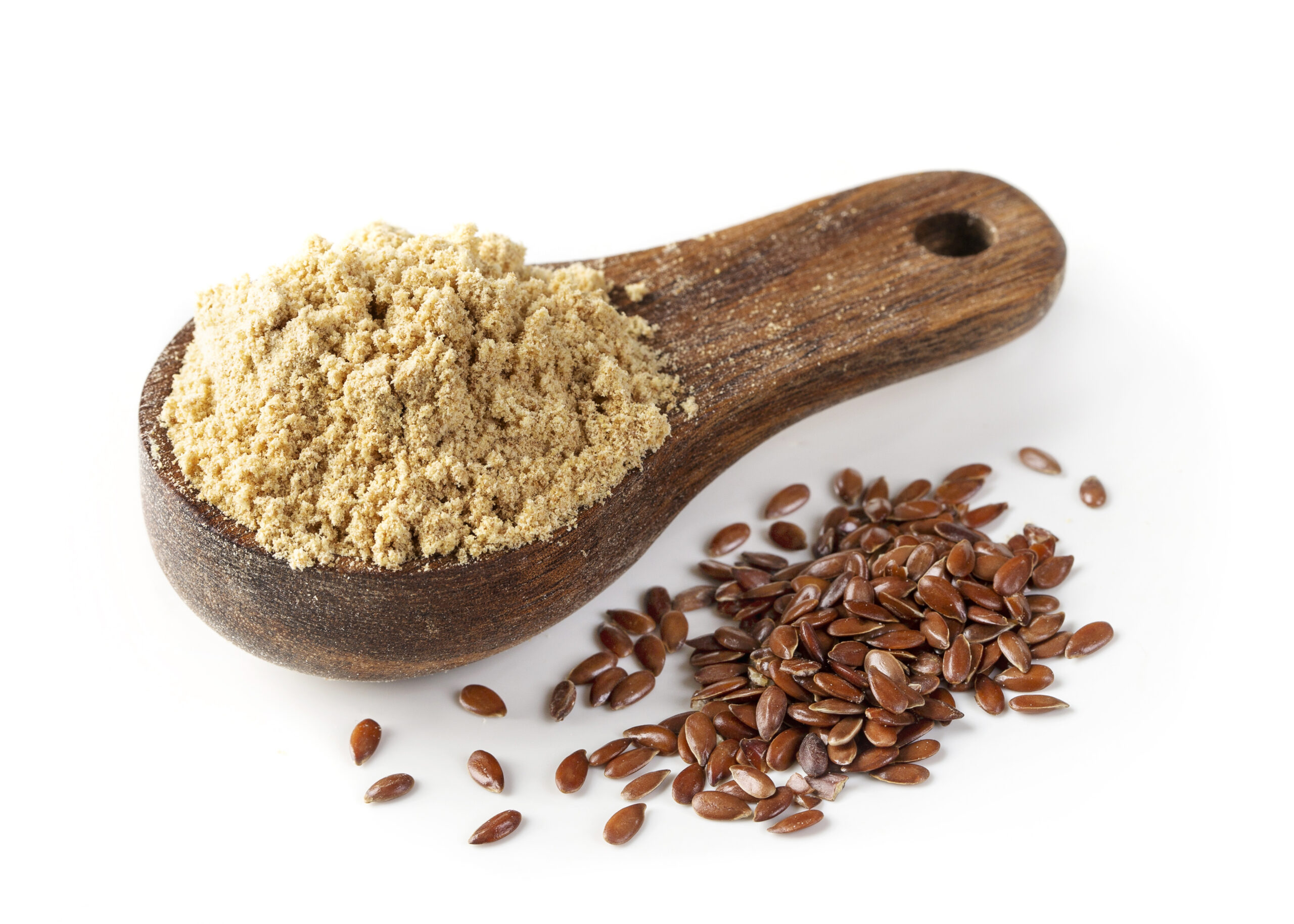
Flax seed meal needed for flax egg recipe
Easy Flax Egg
This is your gluten-free, diary-free, egg-free egg substitute. Perfect for baking, pancakes, muffins, and more!
Check out this recipe
8
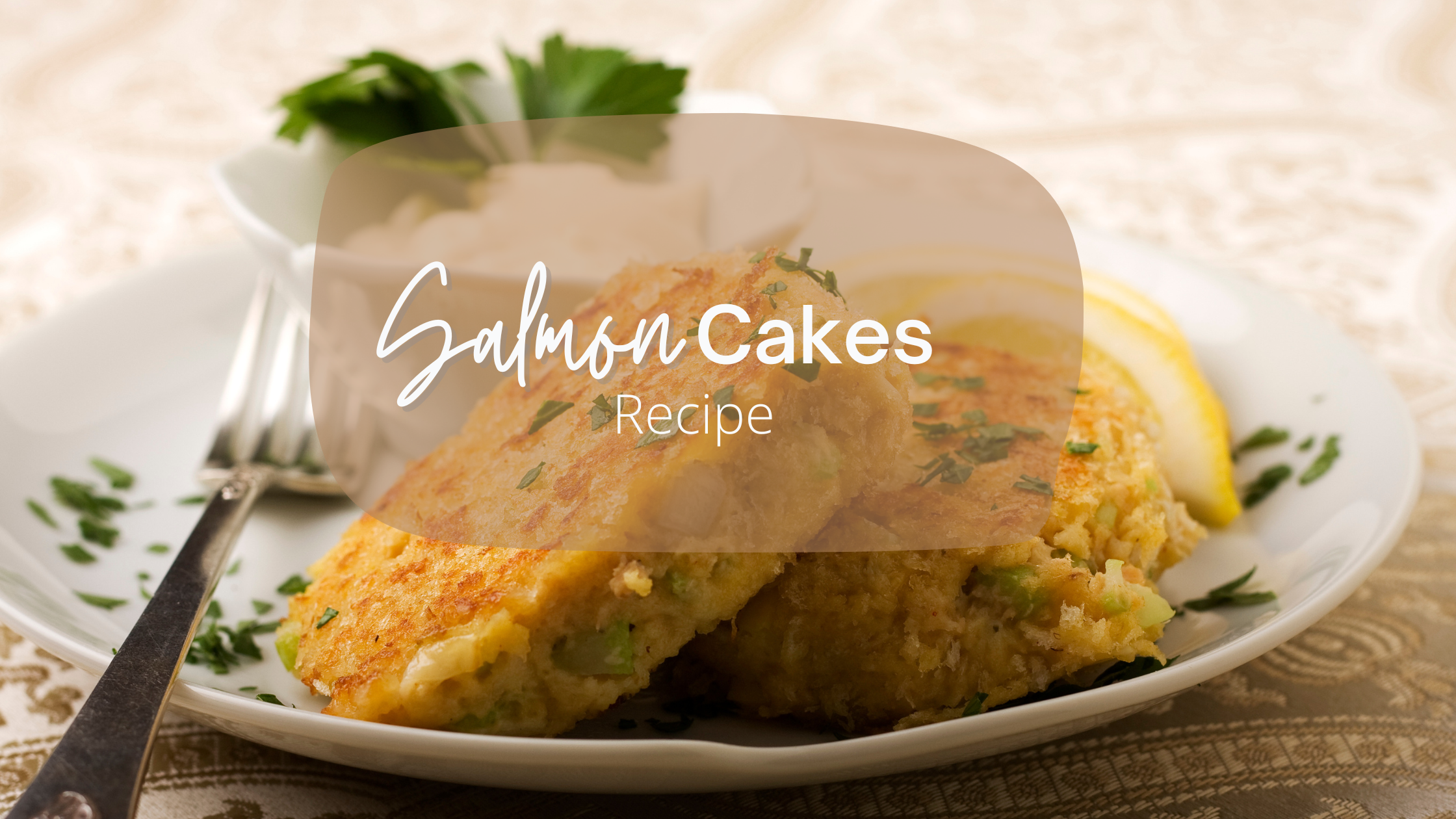
Salmon Cakes
If you like crab cakes, this one is for you!
Check out this recipe
9
Mediterranean Turkey Lentil Meatballs
Check out this recipe

9. Cook in Bulk to Control Fat

  • Batch Cooking: If you prepare meals in bulk, you can control how much fat goes into each meal. For example, you can roast vegetables with a minimal amount of oil or prepare lean proteins in advance.
  • Meal Prepping: Pre-portion your meals ahead of time so that you avoid overusing high-fat ingredients in the heat of the moment.

10. Stay Hydrated

  • Drink Water: Sometimes thirst can be mistaken for hunger. Drinking plenty of water can help you feel full and make it easier to resist fatty snacks when you’re not actually hungry.

Most importantly, if you do go over your fat target for a single day, donโ€™t stress. Including this flexibility in your plan allows room for occasional deviations from your macro goals, especially if you’re still within your total daily calorie intake. The most important thing is consistency over time. A single day of eating more fat than planned isnโ€™t a huge mistake, but frequent overconsumption of fat can lead to fat gain if you’re not paying attention to your overall calorie goal.

Remember that fat loss isnโ€™t about perfection; itโ€™s about finding a sustainable lifestyle that include nutrition and exercise AND that works for you in the long run. 

Join my new 21 DAY reset!

Tired of endless diets and no results? This reset is for you if you want to gain energy, cut the cravings, build strength, decrease bloat and feel amazing going into the holiday season!

16:8 Intermittent Fasting: ย results from real clients

Intermittent fasting has become a diet buzz word in recent years – and for good reason. This eating schedule not only promotes weight loss but also offers health benefits, including improved metabolic health, better control over food cravings, and enhanced mental clarity. But as with most diet and nutrition approaches, there is more than one way to do it.  Keep scrolling down to learn about the different types of intermittent fasting, the specific methods used by my clients, and the AMAZING results they’ve achieved. 

What is Intermittent Fasting?

I like to think of Intermittent fasting (IF) as an eating schedule.  It is an approach to eating that alternates between periods of eating and fasting. Unlike traditional diets that focus on what to eat, IF emphasizes when you eat. This eating window can vary based on the chosen intermittent fasting plan. The 16/8 method is one of the most popular types of intermittent fasting, where you fast for 16 hours and limit your food intake to an 8-hour window every day.  

Benefits of Intermittent Fasting

  • Weight Loss: One of the primary goals of IF is weight loss through calorie restriction. By limiting the time window for eating, you naturally consume fewer calories, which leads to fat loss and improved body composition.
  • Improved Insulin Sensitivity and Blood Sugar Levels: Fasting periods can help lower blood sugar levels and improve insulin sensitivity, reducing the risk of type 2 diabetes.
  • Enhanced Metabolic Health: Switching between fed and fasted states can activate a metabolic switch in your body, promoting better metabolic health and efficient fat burning.
  • Reduced Inflammation: IF has been shown to lower chronic inflammation, thereby reducing the risk of cardiovascular disease and other health conditions.
  • Mental Clarity and Focus: Many people report better mental clarity and focus during fasting periods, which may be linked to stabilized blood glucose levels and reduced calorie intake.

Join my new 21 DAY reset!

Tired of endless diets and no results? This reset is for you if you want to gain energy, cut the cravings, build strength, decrease bloat and feel amazing going into the holiday season!

Success Stories from Real Clients

1. The Busy Businessman

My 53-year-old male client, a husband and father of two, lives on the road for most of the year. Despite his hectic schedule, he found his groove with the 16/8 intermittent fasting method. By dedicating 30 minutes daily to workouts and focusing on lean proteins and healthy fats, he has lost 30 pounds. The best part? His energy levels and stamina have skyrocketed, making those business trips less exhausting. He enjoys black coffee and electrolyte water during his fasting period, helping him maintain focus and mental clarity throughout the day.

2. The Stay-at-Home Mom

Another client of mine, a 38-year-old stay-at-home mom experienced incredible changes by incorporating intermittent fasting schedule into her routine. Over three months, she lost 10 pounds and 18 inches, significantly improving her body composition. More importantly, her strength and energy levels have soared. She now lifts heavier weights and feels more in control of her food cravings and eating habits, plus we’ve also increased  her macros (and calories) to fuel her new exercise routine.  Her secret? She sticks to whole grains, healthy fats, and lean proteins during her 8-hour eating window, ensuring she gets the nutrients she needs for sustained energy.

How to Get Started with Intermittent Fasting

1. Choose Your Intermittent Fasting Plan

There are different types of intermittent fasting to suit various lifestyles and goals. Learn which type is right for you.  

2. Plan Your Eating Window

Decide on an 8-hour eating window that works best for you. For instance, if you prefer to have dinner with your family, you might choose an eating schedule from 12 PM to 8 PM. This will allow you to enjoy meals with loved ones without feeling restricted.

3. Focus on Nutrient-Dense Foods

During your eating periods, prioritize lean proteins, healthy fats, and whole grains. Avoid junk food and sugary snacks, as they can spike your blood sugar levels and lead to weight gain.

4. Stay Hydrated

Drink plenty of water, black coffee, green tea, and unsweetened tea during your fasting periods. These beverages can help curb hunger and keep you hydrated.

5. Listen to Your Body

Intermittent fasting is not a one-size-fits-all solution. Pay attention to how your body responds and adjust your eating window and food intake as needed. If you experience any adverse side effects such as headaches, , consult a nutrition expert or healthcare provider.

6. Combine with Physical Activity

Incorporate physical activity, such as strength training or cardio workouts, into your routine. Exercise can enhance the benefits of intermittent fasting, promoting fat loss and improving overall health.  Our FASTer Way workouts are 30 minutes and done.  One of my favorite parts of the program.  

Join my new 21 DAY reset!

Tired of endless diets and no results? This reset is for you if you want to gain energy, cut the cravings, build strength, decrease bloat and feel amazing going into the holiday season!

What if I can’t fast?

Here’s the thing. Intermittent fasting can be modified to meet your needs. For example, if you are pregnant or have a condition where a longer fast isn’t appropriate, we scale back as needed. I find that most clients find success with at least a 12:12 fast. But if you have questions, just ask!

Overall, intermittent fasting can be a game-changer for those looking to lose weight, improve their metabolic health, and achieve a better body composition. The success stories of my clients highlight the practical benefits and positive effects this diet plan can have on different aspects of life, from energy levels to mental clarity.

Ready to see similar results? Start your intermittent fasting routine today and feel the difference. For personalized guidance and a tailored intermittent fasting protocol, reach out to me. Let’s make your health and wellness goals a reality!

Join the Community:

Follow me social media for more tips, success stories, and updates on intermittent fasting.

About Me

I’m Melanie.

I’m a chef, registered dietitian, foodie, wife and mom.
If you’re looking for quick and healthy meal inspiration that serves YOU and your family well, then you’ve come to the right place!

Melanie Marcus Selfie

True or False: ย Going to bed hungry is good for weight loss

My husband casually told me one day that the key to weight loss is just eating less, and going to bed hungry.  And as a dietitian… I thought to myself…there is nothing that could be more wrong.  

The Case for Going to Bed Hungry

Reduced Caloric Intake

One of the primary arguments for going to bed hungry is that it can help reduce your total caloric intake. Consuming fewer calories than you burn is a fundamental aspect of weight loss. By skipping a late-night snack or a big meal before bed, you’re more likely to create a calorie deficit that can lead to weight loss. That said, there’s no guarantee that you won’t up your food intake the next date to make up for it.  

Improved Insulin Sensitivity

Fasting overnight can lead to better insulin sensitivity, which is crucial for weight management. Improved insulin response helps regulate blood sugar levels and reduces the risk of insulin resistance, a condition that can lead to weight gain and other health problems like diabetes and cardiovascular disease. 

Keep in min that practicing a fasting schedule and going to bed hungry are two very different things.  

Fat Burning

Going to bed on an empty stomach may prompt your body to burn stored fat for energy, leading to fat loss. This is similar to the principles of intermittent fasting, which involves alternating between periods of eating and fasting to promote weight loss and improve overall health.

Losing weight does not have to be a painful struggle. It takes work, but you don’t have to be miserable doing it.

Melanie Marcus MA RD

The Case Against Going to Bed Hungry

Poor Sleep Quality

Going to bed hungry can lead to poor sleep quality, which is associated with weight gain and difficulty losing weight. Lack of sleep can disrupt your body’s circadian rhythm, leading to sleep disorders like insomnia and sleep apnea. Sleep deprivation affects appetite hormones, increasing levels of the hunger hormone ghrelin and decreasing levels of leptin, the hormone responsible for feelings of fullness. The solution may be a 200 calorie bedtime snack, a combo of protein and carbohydrate to take the edge off.  There’s nothing worse than not getting enough sleep!

Increased Cravings

We’ve all been there. Standing in front of the pantry, looking for something to eat. Instead of choosing nutritious food, we go for ice cream or potato chips, giving into our cravings. When your calorie intake is much lower than needed (like when you skip a meal), you can fall into a situation where your cravings get the best of you when it’s time to choose a meal. All too often junk food is more accessible and requires little to no cooking, making it an appealing option when we want to eat something – NOW.

Slowed Metabolism

Prolonged periods of hunger can slow down your metabolism, making weight loss more challenging in the long term. (Don’t worry, this doesn’t happen if you are intermittent fasting properly.) Your body may enter a state of โ€œstarvation mode,โ€ conserving energy and burning fewer calories to protect against perceived famine conditions.

Join my new 21 DAY reset!

Tired of endless diets and no results? This reset is for you if you want to gain energy, cut the cravings, build strength, decrease bloat and feel amazing going into the holiday season!

Practical Tips for Managing Hunger Before Bed

If youโ€™re trying to lose weight but find yourself feeling hungry before bed, here are some practical tips to help you manage your hunger and still get a good nightโ€™s sleep:

Balanced Meals

Focus on consuming balanced and filling meals throughout the day to avoid extreme feelings of hunger before bed. Include lean meats, whole grains, and plenty of fruits and vegetables at each meal. If you want to dial it in, you can work with a dietitian to set your unique calorie and nutrient needs to meet your health goals. 

Protein and Fiber

Include protein and fiber in your evening meal to promote satiety and reduce the likelihood of feeling hungry later. Foods like lean meats, beans, and vegetables are excellent choices.

Healthy Snacks

Opt for a light, healthy snack if you’re genuinely hungry before bed. A small portion of nuts or Greek yogurt can satisfy your hunger without adding too many extra calories.

Stay Hydrated

Sometimes thirst can be mistaken for hunger. Aim to drink a glass of water if you feel hunger pangs. Staying hydrated is essential for maintaining energy levels and overall health.

1
Lightened up Sleepy Girl Mocktail
Check out this recipe

Mindful Eating

Practice mindful eating to savor your meals and become more attuned to your body’s hunger and fullness cues. This can help manage nighttime hunger and prevent overeating.

Regular Sleep Schedule

Establish a regular sleep schedule and prioritize sleep quality to reduce the likelihood of cravings and overeating the next day. Quality sleep helps regulate appetite hormones and supports healthy weight management.

So overall, going to bed hungry may help reduce caloric intake and improve insulin sensitivity, it can also lead to poor sleep quality, increased cravings, and a slowed metabolism. The best way to achieve weight loss is through a combination of balanced meals, regular physical activity, and quality sleep. By managing your hunger before bed with healthy snacks and mindful eating, you can support your weight loss goals without compromising your sleep quality.

If you’re unsure about the best approach for your nutritional needs, consider checking out my program. We can chat through some strategies to meet your overall health goals. Here are a few other articles that may interest you:

About Me

I’m Melanie.

I’m a chef, registered dietitian, foodie, wife and mom.
If you’re looking for quick and healthy meal inspiration that serves YOU and your family well, then you’ve come to the right place!

Melanie Marcus Selfie

Hands off air fryer pork tenderloin recipe

Aren’t most recipes made in the air fryer hands off?  That’s what I love so much about it. I was making this recipe last week when my husband walked in the house and commented how good it smelled.  Trust me, it is super delicious and packs a lot of flavor and uses simple ingredients without requiring a lot of attention which means you can focus on what else needs to get on the dinner table.  

It may just be the best way to make pork tenderloin.  

Jump to Recipe

Ingredients You’ll Need

  • Lean pork tenderloin – Trim the silver skin from the tenderloin if there is any.  This marinade would work equally well with boneless pork chops or bone-in chops.  Just note the nutrition will be slightly higher in fat.  
  • Apple cider vinegar – Adds a tangy flavor that helps tenderize the meat.
  • Mustard – Ground mustard, (grainy mustard) works great here but you can use whatever you have on hand.
  • Garlic – I prefer to use fresh or frozen but garlic powder or even jarred will work.
  • Maple syrup – Balances the tanginess with a touch of sweetness. Brown sugar could be used in a pinch.  
  • Kosher salt – Tenderizes and brings out the flavor.
  • Rosemary – Fresh or dried, it adds an aromatic touch.

โ€‹Optional:  If you love onion, feel free to slice some, or even add onion powder if you have it. If you love the bite of black pepper, you can season with that as you like as well.  These ingredients, don’t add extra calories, so you can play around with the flavors that you like.  

Olive oil really isn’t necessary for this because we’re air frying.  

Step-by-Step Cooking Instructions

Step 1: Prepare the Pork

Start by trimming any excess fat or silver skin from your pork tenderloin. This ensures even cooking and prevents unwanted calories from fat.

Step 2: Marinate the Pork

In a small bowl, mix together apple cider vinegar, mustard, garlic, maple syrup, kosher salt and rosemary. Place the pork in a resealable bag or container and pour the marinade over it. Seal and refrigerate for at least 20 minutes or overnight for best results.

Step 3: Preheat the Air Fryer

Preheat your air fryer to 400 degrees F. You really want to be sure it’s preheated to get a proper cook.

Step 4: Cook the Pork

Remove the pork from the marinade and pat it dry with a paper towel. Place it in the air fryer basket in a single layer. Air fry the pork at 400 degrees F for about 20 minutes, or until the internal temperature reaches 145 degrees F. Use an instant-read thermometer to check the center of the meat for accurate cooking.

Step 5: Rest the Meat

Once cooked, remove the pork tenderloin from the air fryer and let it rest for 5-10 minutes. This helps the juices redistribute, ensuring a juicy, delicious pork chop every single time.

Serving Suggestions

  • Roasted or air-fried vegetables – Sweet potatoes, green beans, or cauliflower rice are great options.
  • Fresh green salad – A light vinaigrette complements the flavors beautifully.
  • Quinoa or wild rice pilaf – Compliment your protein with whole grain carbs to round out the meal.
  • Savory apple chutney – Or even apple sauce complements the pork’s flavors with a touch of sweetness.

One of my favorite sides this summer has been this celery salad – the kids even love it.  They also like to have pork with tater tots or sweet potato.  

Tips for the Best Pork Tenderloin

  • Use a meat thermometer – Ensuring the pork reaches the correct internal temperature is key to food safety. This may just be my most used piece of kitchen equipment!
  • Donโ€™t skip the marinade – It’s one of my favorite ways to infuse the pork with flavor. Just 15 minutes is all it takes!
  • Preheat the air fryer – A preheated air fryer ensures even cooking.
  • Rest the meat – This step guarantees a clean plate every time.

Join my new 21 DAY reset!

Tired of endless diets and no results? This reset is for you if you want to gain energy, cut the cravings, build strength, decrease bloat and feel amazing going into the holiday season!

Nutrition and Macros

You may think pork is a no-no if you’re trying to keep calories low, but in reality, pork tenderloin is a lean cut of meat, meaning it has a low fat content and is lower in calories compared to other cuts of pork. This makes it an ideal choice for those who are trying to maintain a healthy diet. In fact, a 3-ounce serving of pork tenderloin contains only about 120 calories and 2.5 grams of fat.

It’s also high in protein, which can help keep you feeling fuller for longer periods of time and can aid in building and repairing muscle. And if you’re doing the FASTer Way with me, you know hitting your protein goals helps reduce cravings and prevent overeating.

It’s also a good source of essential vitamins and minerals such as iron, zinc, and B vitamins. These nutrients are important for maintaining overall health and can be lacking in certain restrictive diets.

This easy recipe is perfect for busy weeknights and will become one of your favorite air fryer recipes. If you try this recipe, and I hope you do, let me know!  

For more delicious recipes like my quick air fried donut holes, make sure to join my mailing list.  

Rosemary Garlic Pork Tenderloin

Servings: 6
Course: Main Course
Cuisine: American
Calories: 180

Ingredients
  

  • 2 pounds lean pork tenderloin
  • 1.5 tbsp apple cider vinegar
  • 2 tbsp grainy mustard
  • 4 cloves garlic
  • 2.5 tsp maple syrup
  • 2 tsp kosher salt
  • 2 tsp dried rosemary

Method
 

  1. Mix together marinade ingredients and submerge pork for at least 15 minutes or overnight in fridge.
  2. Pull pork out about 30 min before cooking.
  3. Place in preheated air frier (400F) for about 20 minutes or until thermometer reads 145F.

Nutrition

Serving: 5ozCalories: 180kcalCarbohydrates: 3gProtein: 32gFat: 3gSaturated Fat: 1gPolyunsaturated Fat: 1gMonounsaturated Fat: 1gTrans Fat: 0.03gCholesterol: 98mgSodium: 911mgPotassium: 629mgFiber: 0.3gSugar: 2gVitamin A: 5IUVitamin C: 1mgCalcium: 19mgIron: 2mg

Tried this recipe?

Let us know how it was!

About Me

I’m Melanie.

I’m a chef, registered dietitian, foodie, wife and mom.
If you’re looking for quick and healthy meal inspiration that serves YOU and your family well, then you’ve come to the right place!

Melanie Marcus Selfie