I’m a Dietitian, and This Is the First Thing I Tell Moms Who Battle Cravings


If there’s one habit that’s made the biggest difference in how I manage food cravings both as a mom and a registered dietitian, it’s what I call the 10-minute Pause and Pivot. Every time you feel that intense urge for a candy bar, a salty snack like potato chips, or even ice cream, give yourself a 10-minute window before acting. Step out of the kitchen, grab your water bottle, or take a quick walk. This gives your rational brain time to assess whether it’s a true hunger signal or a reaction to a particular food cue. Sometimes, that intense desire for high-calorie foods or sugary foods will fade, especially if it’s triggered by emotional states or ongoing stress rather than actual need.
If you’ve battled with food cravings in the past month, you’re not alone. For many of us, the late afternoon can bring on cravings for specific foods, be it sweet food, junk food, or even savory foods like fast food. Navigating these cravings isn’t about willpower; it’s about understanding all the important factors at play. Taking this important first step to reflect, rather than react, helps you regain control of your food choices and overall food intake.
Outsmart Hormonal Weight Gain
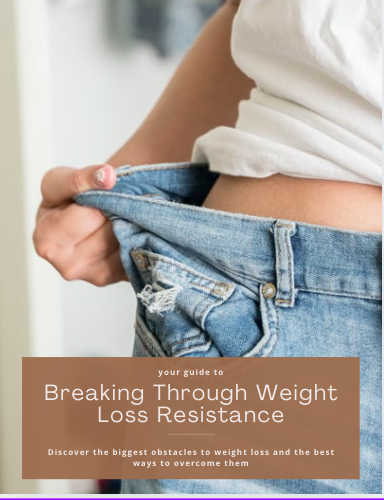
This guide walks you through how unknowingly, hormones may be in the way of your fat loss goals.
Hormone Recipe Guide
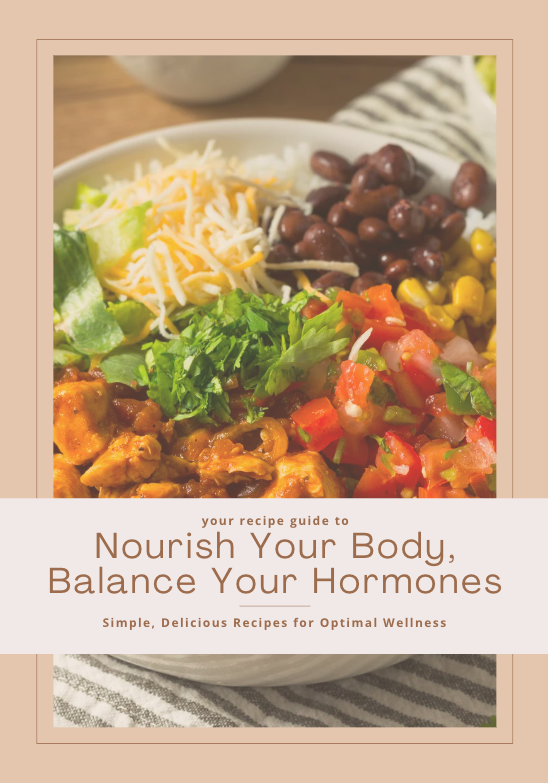
If you’re ready to eat to support your hormones, this guide is for you!
Workout with Me

Try one of the custom workouts that my clients and I do daily! Just 30 minutes for results.
Table of contents
Cravings 101: It’s Not Just Hunger
The etiology of food craving is complex—there are many types of food cravings, and they don’t always mean you’re physically hungry. Genuine hunger is our body’s natural way of saying it needs energy, and it usually comes on gradually. Your digestive tract sends signals to your brain, making you think about eating, but you could satisfy that need with lots of different foods.
In contrast, food cravings often involve an intense urge for a specific type of food, ususally ultra-processed foods, milk chocolate, or even non-food items in rare cases (especially among pregnant women or in certain health conditions). These cravings are frequently for high-calorie foods: think chocolate-containing foods, sweet tooth treats, savory snacks, or salty foods. The brain’s reward system is activated by these foods, releasing dopamine, a possible mechanism similar to addictive substances, as shown by both animal studies and experimental studies. Previous research and scientific evidence suggest that stress hormone fluctuations, ongoing stress, and chronic stress can make these cravings more frequent and harder to resist.
Join my new 21 DAY reset!
Tired of endless diets and no results? This reset is for you if you want to gain energy, cut the cravings, build strength, decrease bloat and feel amazing going into the holiday season!

Key triggers for food cravings include:
- Lack of sleep and sleep deprivation: which messes with appetite-suppressing hormones
- Nutritional deficiencies and not following a balanced diet
- Blood sugar spikes and crashes, especially after eating too much sugar or missing meals
- Emotional states such as chronic stress, anxiety, or boredom
- Physical symptoms like fatigue or changes in the menstrual cycle
- Environmental cues—seeing a candy bar or smelling fast food
Important factors like physical activity, a healthy diet, and enough sleep help keep cravings for unhealthy foods in check and may reduce the risk of weight gain, heart disease, or blood pressure problems related to poor food choices.
Is It Physical or Emotional Hunger?
A good idea before acting on a craving is to figure out if it’s physical hunger or emotional hunger. Physical hunger builds gradually and can often be satisfied by a smaller portion or a wider range of foods, think air-popped popcorn, healthy snacks, or meals rich in healthy fats. Typically, it’s been several hours of sleep and activity since your last meal, and your body is asking for fuel.
Emotional hunger, though, comes on suddenly and powerfully. It’s an intense desire for a particular type of food or specific foods, not just any option. Maybe you’re craving ice cream after a long, stressful day, or longing for potato chips while dealing with chronic stress. This is the kind of craving that often leads to eating more ultra-processed foods, sweet tooth treats, or unhealthy foods, despite not being physically hungry. There’s a strong link between emotional states and food cravings according to scientific evidence, with emotional eating even tied to mental health conditions like anxiety, depression, and even eating disorders.
When a craving hits, ask yourself: “Is this about my body’s need for energy, or does it have a mental cause tied to ongoing stress or emotional states?” This mindful pause is an important first step—an act proven in therapy methods to break the automatic loop and support positive changes.
Daily Habits to Keep Cravings at Bay
Creating consistent daily habits is a great way to support a healthy lifestyle and manage food cravings before they become overwhelming:
- Eat Protein at Every Meal: Protein is not only filling, but helps control blood sugar responses and keeps appetite-suppressing hormones balanced. Aim to fill your plate with lean meats, tofu, Greek yogurt, or a smaller portion of dark chocolate sometimes for its health benefits.
- Don’t Skip Meals: Skipping meals leads to drops in blood sugar and intense cravings later—often for sugary foods or savory snacks with fewer calories but less nutrition. Try eating every 3–5 hours to avoid blood sugar spikes and crashes.
- Stay Hydrated: Sometimes we confuse a craving for sweet food or salty snacks with needing a drink. Carrying a water bottle is a great way to prevent unnecessary snacking and maintain optimal health.
- Prioritize Sleep: Aim for enough sleep—typically 7–9 hours of sleep nightly. Sleep deprivation disrupts hormones related to hunger, increasing cravings for fatty foods, high-calorie foods, or even non-food items in some rare cases. Lack of sleep is linked to weight gain and greater food intake, especially of the most frequently craved foods.
- Prep for Success: Decision fatigue late in the day can make us reach for junk food, fast food, or the nearest candy bar. Prepping healthy snacks and meals, or even keeping air-popped popcorn or nuts in an airtight container, is a great option for supporting better food choices.
Your Mindset Matters: Smart Strategies for Real Life
Willpower isn’t limitless, especially in the presence of strong food cues or ongoing stress. Instead, support yourself with smarter mindset shifts and action plans:
Mindset Shifts:
- Replace “I can’t” with “I’m choosing”: Instead of thinking “I can’t have that candy bar,” reframe it: “I’m choosing a balanced diet or a healthier snack because I want to feel good, avoid blood sugar spikes, and enjoy weight loss or better health benefits.”
- Get Curious, Not Critical: Cravings and hunger signals aren’t failures. They are feedback—maybe from nutritional deficiencies, chronic stress, hours of sleep missed, or other medical conditions. Understanding your triggers helps you make positive changes, whether you’re addressing a mental health condition, stress hormone surges, or simply a habit of grabbing unhealthy foods when tired.
In-the-Moment Strategies:
- Pause and Pivot: The next time you have an intense desire or intense urge for a particular food, try the 10-minute Pause and Pivot. Brush your teeth, call a friend, or go for a walk. By delaying, you weaken the craving’s hold. This can be especially effective for those struggling with emotional eating, substance abuse histories, or health problem management.
- Have a “Go-To” Swap: If you still want something after waiting, choose a smaller portion of dark chocolate, a handful of nuts, or air-popped popcorn to satisfy your craving with fewer calories and healthier fats. Opt for healthy snacks instead of ultra-processed foods. This strategy naturally promotes a healthy lifestyle and helps maintain a steady body weight.
Supportive Swaps for Your Biggest Cravings
Let’s get practical. Below are some supportive swaps for the most frequently craved foods and types of food:
- For a Sweet Tooth: Swap out sugary foods, candies, and junk food for Greek yogurt with berries or a square of dark chocolate. If you need sweetness, try fresh fruit. If you’re craving a chocolate-containing food, opt for a small amount of dark over milk chocolate.
- For Salty & Crunchy: If you want salty foods or savory foods, try crunchy vegetables with guacamole, air-popped popcorn, or roasted chickpeas. These deliver a similar effect as potato chips or fast food sides, but with more healthy fats and fewer calories.
- For Carbs & Bread: If bread is your go-to, swap white bread and ultra-processed foods with whole grain breads or chickpea pasta. For breakfast, a high-protein granola is a great way to keep blood sugar responses in check.
Eating a balanced diet and making smart swaps is not only important for physical health—but may also support mental health and lower the risk of weight gain, blood pressure, or even heart attacks and heart disease. Ongoing research and experimental studies continue to show how little changes have a big impact.
Join my new 21 DAY reset!
Tired of endless diets and no results? This reset is for you if you want to gain energy, cut the cravings, build strength, decrease bloat and feel amazing going into the holiday season!
You Don’t Have to Do It Alone
If you’re dealing with chronic stress, looking to make positive changes, or have questions about specific type of food cravings, know that support is out there. Consulting a registered dietitian or internal medicine physician for individual health problem advice is always a good idea—especially where exclusion criteria, eating disorder history, or medical conditions may be a concern.
If you’re ready for guidance, tools, and therapy methods that address both the physical and mental cause of food cravings, my 21-Day Reset is here. Together, we’ll tackle food cravings—from the causes laid out in previous research to real-world solutions for moms, pregnant women, or anyone wanting to lead a healthier, happier life.
Let’s build a healthy lifestyle that supports your body, mind, and taste buds—so you can enjoy your favorite foods, prevent blood sugar spikes, and keep your energy high, all while modeling great food choices for your family.
References:
- Poelman, M. P., et al. (2016). Food cravings, food addiction, and a dopamine-resistant (DRD2 A1) receptor polymorphism in Asian American college students. Journal of Psychoactive Drugs, 48(4), 278-286. https://www.ncbi.nlm.nih.gov/pmc/articles/PMC5022562/
- Yau, Y. H. C., & Potenza, M. N. (2023). The association of emotional eating with overweight/obesity, depression, anxiety/stress, and dietary patterns: a review of the current clinical evidence. Nutrients, 15(5), 1173. https://www.mdpi.com/2072-6643/15/5/1173
- Meule, A., & Richard, A. (2017). It is not how much you crave but what you do with it that counts: behavioural responses to food craving during weight management. European Journal of Clinical Nutrition, 71(4), 543-548. https://www.nature.com/articles/ejcn2016235