Month: August 2025

Foods That Lower Cortisol: Complete Nutrition Guide

I’m going to assume you’re here because you know that your adrenal glands work tirelessly behind the scenes, producing cortisol, blah blah blah. And that you know you need to make changes to your diet in order to get cortisol back into into it’s normal swing. Read on to find out exactly what to do.

Cortisol is the primary stress hormone that helps your body navigate everything from morning meetings to emergency situations. While this body’s stress response serves important biological functions, chronic stress and consistently high cortisol levels can wreak havoc on your overall health, contributing to weight gain, mental health challenges, and a bunch of other health issues. If you want to know more about that, check out this article.  

The good news? Your plate isn’t just for dinner. It’s your secret weapon against stress! Certain foods can help keep your cortisol levels in check, while others send them into overdrive. Want to boss your stress management? Learn which bites calm the chaos and which ones crank up the pressure. A balanced diet might just be the MVP of your hormonal harmony! Let’s dig in.

Join my new 21 DAY reset!

Tired of endless diets and no results? This reset is for you if you want to gain energy, cut the cravings, build strength, decrease bloat and feel amazing going into the holiday season!

Understanding Cortisol’s Impact on Your Body

Cortisol plays important roles throughout your body, from regulating blood sugar levels to supporting immune function. However, when cortisol production becomes chronically elevated due to ongoing stressful situations, it can trigger a domino effect of health problems.

High levels of this stress hormone contribute to insulin resistance, making weight loss more challenging while promoting fat storage around the midsection. The connection between cortisol and cardiovascular disease is particularly concerning, as elevated levels can lead to high blood pressure and increased heart disease risk.

Your mental health suffers too. Excessive cortisol secretion disrupts mood regulation, cognitive function, and sleep cycles, creating a vicious cycle where poor sleep further elevates cortisol levels. Some people even develop “cortisol face”—puffiness and changes in facial appearance linked to sustained high cortisol.

Foods That Naturally Lower Cortisol Levels

The best way to support healthy levels of cortisol is through nutrient-dense foods that nourish your nervous system and combat oxidative stress. Here are the powerhouse foods that can help lower cortisol levels:

Fatty Fish and Omega-3 Rich Foods

Fatty fish like salmon, mackerel, and sardines provide essential fatty acids that directly support brain health and help regulate cortisol response. The omega-3s in these fish play a key role in reducing inflammation and supporting the digestive system.

Chia seeds and flax seeds offer plant-based alternatives, delivering omega-3s along with fiber that supports gut health. A healthy gut microbiome is crucial for managing cortisol, as your gut bacteria directly influence your body’s stress response.

Magnesium-Rich Foods for Nervous System Support

Magnesium deficiency is surprisingly common and can worsen your cortisol response. Leafy greens like spinach and kale, pumpkin seeds, and sweet potatoes provide this essential mineral that helps calm your nervous system and support energy levels.

Dark leafy greens also deliver B vitamins, particularly vitamin B complex nutrients that are essential for stress management. These vitamins help your body process stress more effectively and maintain healthy levels of neurotransmitters.

Antioxidant Powerhouses

Dark chocolate (with at least 70% cacao) contains compounds that can lower stress levels and improve mood—though moderation is key. Citrus fruits provide vitamin C, which helps combat free radicals created during stress and supports immune system function.

Berries deserve special mention for their ability to fight oxidative stress while providing natural sweetness that satisfies cravings without spiking blood sugar levels.

Herbal Teas and Calming Beverages

Green tea contains L-theanine, an amino acid that promotes relaxation without drowsiness. Herbal teas like chamomile and passionflower have been used for centuries to support sleep cycles and reduce stress.

Replace that extra morning cup of coffee with green tea—while moderate caffeine can be beneficial, excessive amounts from multiple cups or energy drinks can elevate cortisol unnecessarily.

Whole Foods and Complex Carbohydrates

Whole grains like oats, quinoa, and brown rice help stabilize blood sugar levels and provide sustained energy. Unlike refined carbohydrates, these complex carbs don’t cause the dramatic spikes and crashes that can trigger cortisol production.

Protein-rich foods including legumes, eggs, and lean meats provide essential amino acids for neurotransmitter production and help maintain steady energy throughout the day.

Creamy Cauliflower Oatmeal (High protein and fiber)

<div class="swp_social_panel swp_horizontal_panel swp_flat_fresh swp_default_custom_color_outlines swp_other_custom_color swp_individual_custom_color scale-100 scale-full_width" data-min-width="1100" data-float-color="#ffffff" data-float="none" data-float-mobile="none" data-transition="slide"…
Read More

Fall Harvest Chicken Salad (25g Pro + 5g Fiber)

<div class="swp_social_panel swp_horizontal_panel swp_flat_fresh swp_default_custom_color_outlines swp_other_custom_color swp_individual_custom_color scale-100 scale-full_width" data-min-width="1100" data-float-color="#ffffff" data-float="none" data-float-mobile="none" data-transition="slide"…
Read More
Colorful quinoa salad with fresh vegetables creates a healthy, balanced meal.

Foods That Lower Cortisol: Complete Nutrition Guide

<div class="swp_social_panel swp_horizontal_panel swp_flat_fresh swp_default_custom_color_outlines swp_other_custom_color swp_individual_custom_color scale-100 scale-full_width" data-min-width="1100" data-float-color="#ffffff" data-float="none" data-float-mobile="none" data-transition="slide"…
Read More
belly, body, calories, diet, exercise, fat, female, fit, fitness, girl, health, lose, loss, measure, shape, slim, tape, waist, weight, woman, diet, diet, diet, diet, fat, fat, fat, fat, fat, fitness, weight

The #1 Reason You’re Not Losing Belly Fat (It’s Not Your Diet)

<div class="swp_social_panel swp_horizontal_panel swp_flat_fresh swp_default_custom_color_outlines swp_other_custom_color swp_individual_custom_color scale-100 scale-full_width" data-min-width="1100" data-float-color="#ffffff" data-float="none" data-float-mobile="none" data-transition="slide"…
Read More

Sweet, Savory, Simple: Honey Garlic Chicken & Zucchini Bowls

<div class="swp_social_panel swp_horizontal_panel swp_flat_fresh swp_default_custom_color_outlines swp_other_custom_color swp_individual_custom_color scale-100 scale-full_width" data-min-width="1100" data-float-color="#ffffff" data-float="none" data-float-mobile="none" data-transition="slide"…
Read More

Foods That Can Increase Cortisol Levels

Just as certain foods can lower cortisol levels, others can trigger unwanted increases in this stress hormone. Being aware of these culprits helps you make informed choices:

Processed and High-Sugar Foods

Sugary foods and refined carbohydrates cause rapid spikes in blood sugar levels, forcing your body into a stress response. Fast food and ultra-processed items often combine high sugar with inflammatory ingredients, creating a perfect storm for elevated cortisol.

Comfort foods like cookies, pastries, and candy might provide short term emotional relief, but they ultimately worsen your cortisol response and can contribute to chronic disease risk.

Excessive Caffeine

While moderate caffeine consumption can be part of a healthy lifestyle, excessive amounts—especially from energy drinks or multiple cups of coffee—can overstimulate your adrenal system and disrupt circadian rhythms.

Alcohol and Processed Foods

Regular alcohol consumption can interfere with sleep cycles and contribute to poor sleep, which in turn elevates morning cortisol levels. Ultra-processed foods often contain additives and preservatives that can trigger inflammation and stress responses in the body.

On The GO

Chilled iced coffee in a Starbucks cup on a wooden table creating a refreshing vibe.

I love cooking, but it seems like with 2 school aged children, we are always on the go. Here are some of my go-tos.

Jumpstart Fat Loss

A woman pinches her tricep skin to evaluate body fat in a fitness context.

If your new year’s resolution isn’t delivering results, this fat loss guide is for you. Start feeling the difference right away 🙂

Intermittent Fasting Quiz

A woman holding a pitcher of water and a glass in a sunny outdoor setting.

Research suggests intermittent fasting can be an effective way to maintain and achieve a healthy weight. But is it right for you?

Building Your Cortisol-Friendly Meal Plan

Creating a meal plan that supports healthy cortisol levels doesn’t have to be complicated. The Mediterranean diet serves as an excellent framework, emphasizing whole foods, healthy fats, and anti-inflammatory ingredients.

Start Your Day Right

Begin with protein-rich foods and healthy fats to stabilize blood sugar levels. Try scrambled eggs with spinach cooked in olive oil, or steel-cut oats topped with chia seeds and berries. These combinations provide sustained energy without triggering cortisol spikes.

Focus on Nutrient Density

Every meal should include nutrient-dense foods that support your body’s stress response. Combine leafy greens with fatty fish, add pumpkin seeds to salads, and include sweet potatoes as a complex carbohydrate source.

Time Your Meals Strategically

Eating regular meals helps maintain stable blood sugar levels and prevents the stress response that comes with dramatic energy dips. Avoid skipping meals, which can trigger cortisol release as your body perceives food scarcity as a stressor.

Your digestive system and cortisol levels are intimately connected. Chronic stress can damage gut health, while an unhealthy gut can worsen your cortisol response—creating a cycle that’s important to address.

Focus on foods that support a healthy gut microbiome: fermented vegetables, kefir, yogurt with live cultures, and plenty of fiber from whole foods. These choices help maintain the beneficial gut bacteria that support both immune function and mood regulation.

While food plays a crucial role in managing cortisol, it works best as part of comprehensive lifestyle changes. Ensuring enough sleep, regular physical activity, and stress-reduction techniques amplify the benefits of your healthy diet.

Poor sleep can undo much of the progress you make through nutrition, so prioritize sleep hygiene alongside your dietary improvements. Your circadian rhythms depend on consistent sleep patterns to regulate cortisol naturally.

If you suspect you have persistently high cortisol levels, consider consulting with a registered dietitian or healthcare provider. They can help you identify specific triggers and create a personalized approach that addresses your unique needs and health issues.

Some people benefit from targeted supplements, particularly if they have magnesium deficiency or vitamin D insufficiency. However, these decisions are best made with professional guidance to avoid unwanted side effects.

Understanding how foods impact cortisol empowers you to make choices that support your overall health rather than working against it. The negative effects of chronic stress and elevated cortisol don’t have to be your reality when you have the right nutritional tools.

Remember that changes don’t happen overnight, but consistent choices add up to significant improvements in your energy levels, mood regulation, and overall well-being. Start with small, sustainable changes—perhaps replacing one sugary snack with dark chocolate and nuts, or swapping your afternoon coffee for green tea.

Your journey toward better stress management through nutrition is exactly that—a journey. Be patient with yourself as you discover which foods make you feel your best and support your body’s natural ability to maintain healthy cortisol levels.

About Me

I’m Melanie.

I’m a chef, registered dietitian, foodie, wife and mom.
If you’re looking for quick and healthy meal inspiration that serves YOU and your family well, then you’ve come to the right place!

Melanie Marcus Selfie

The #1 Reason You’re Not Losing Belly Fat (It’s Not Your Diet)

Have you ever felt like you’re doing everything right? Eating well and exercising consistently but the scale just won’t budge? Maybe you’ve even tried extreme measures too. I’ve heard it from new clients too.  Unexplained weight gain, low energy and feeling kinda hopeless. It can be incredibly frustrating. But here’s the thing, the reason might not be what you’re doing, but rather what your body is feeling. The culprit could be cortisol, (your body’s primary stress hormone) and its complex relationship with weight loss.

Understanding how this hormone works is the first step toward managing it and achieving your health goals. And if there’s one thing I want you to remember, it’s not just about lower cortisol levels, it’s about healthy cortisol levels throughout the day – because we need it for overall health!

What Exactly Is Cortisol?

I know healthcare provider get this question all the time.  Cortisol is a steroid hormone produced by your adrenal glands, which sit on top of your kidneys. It’s best known as the “stress hormone” because its levels rise when you’re under pressure, triggering your “fight-or-flight” response. This reaction is a survival mechanism that prepares your body for perceived threats.

When cortisol is released, it affects several bodily functions:

  • Increases Heart Rate and Blood Pressure: It gets your heart pumping faster to deliver oxygen to your muscles.
  • Boosts Energy: It floods your body with glucose (sugar) for a quick energy source. It gives you that “high alert” feeling.
  • Slows Non-Essential Functions: It temporarily puts the brakes on processes like digestion and your immune response to focus on the immediate danger.

In short bursts, cortisol is beneficial. The thing is, problems start to creep in when stress becomes a regular thing (or chronic), leading to consistently high cortisol levels.

Think of it this way: our bodies follow a natural cortisol rhythm to help us get through the day. You’ve probably heard of melatonin and how it supports sleep, right? Well, cortisol works in the opposite way. It’s typically highest in the morning, helping us wake up and start the day after a good night’s sleep. As the day goes on, cortisol levels naturally drop. By evening, melatonin kicks in, helping us feel calm and ready for sleep.

But when this rhythm gets disrupted, cortisol can stay high in the evening, leaving us feeling “tired but wired.” It competes with melatonin, making it hard to relax and fall asleep. This can lead to hours of tossing and turning, wishing for rest. High cortisol doesn’t just impact sleep, this is just one example of how it can throw your body off balance.

When you feel stressed, or are in stressful situations, your brain sends out an alarm that sets off a chain reaction in your body called the HPA axis. First, a part of your brain called the hypothalamus sounds the alarm and tells another part, the pituitary gland, to get ready. The pituitary then sends a message through your blood to your adrenal glands, which sit right on top of your kidneys. The adrenal glands release cortisol, the main stress hormone. Cortisol gives you quick energy, sharpens your focus, and puts things like digestion on hold so you can deal with the challenge in front of you—kind of like flipping your body into “survival mode.” Once there’s enough cortisol in your system, it tells your brain to quiet the alarm, so your body can calm down and return to normal.

Outsmart Hormonal Weight Gain

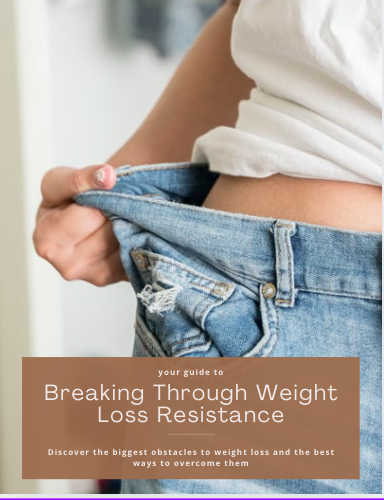
This guide walks you through how unknowingly, hormones may be in the way of your fat loss goals.

Hormone Recipe Guide

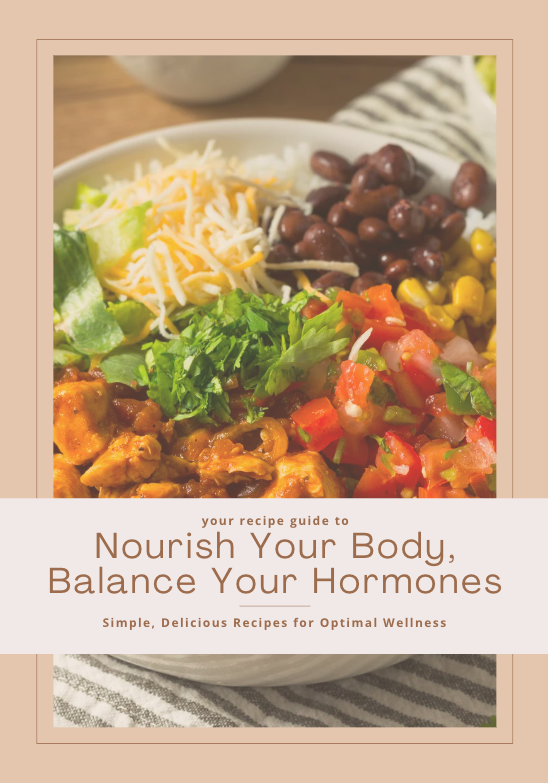
If you’re ready to eat to support your hormones, this guide is for you!

Workout with Me

Try one of the custom workouts that my clients and I do daily! Just 30 minutes for results.

How High Cortisol Leads to Weight Gain

When your body is in a constant state of “fight-or-flight,” it can disrupt your metabolism and lead to weight gain, particularly around the abdomen. We actually have more cortisol receptors there. Chronic stress keeps cortisol levels elevated, which can have a domino effect on your health.

High cortisol can contribute to:

  • Increased Appetite: Cortisol can ramp up your cravings for sugary, fatty, and salty foods, as your body thinks it needs extra fuel to fight off a threat.
  • Fat Storage: It encourages your body to store visceral fat—the deep abdominal fat that surrounds your organs. This type of fat is particularly dangerous and is linked to a higher risk of health problems.
  • Health Complications: Beyond weight gain, consistently high cortisol is associated with heart disease, digestive issues like irritable bowel syndrome (IBS), and mental health challenges such as anxiety and depression.

Recent research continues to highlight these connections. The American Psychological Association has noted that long-term stress can lead to behaviors that contribute to weight gain, such as overeating and decreased physical activity, all driven by the hormonal response orchestrated by cortisol.

What Causes High Cortisol Levels?

Many things can cause chronically high cortisol levels, and it’s not always the big, life-changing events. Often, it’s the constant, everyday pressures.  It’s the small, steady drip of stress that leave the biggest mark.

Common root causes include:

  • Chronic Stress: This can stem from work pressure, overstimulation from your environment, financial worries, or relationship difficulties.
  • Lack of Sleep: Not getting enough quality sleep signals to your body that something is wrong, prompting a cortisol release to keep you alert.
  • Poor Diet: Diets high in processed foods, sugar, and unhealthy fats can cause inflammation and stress the body, elevating cortisol.
  • Underlying Health Issues: Conditions like thyroid issues or adrenal fatigue (a state of burnout from prolonged stress) can also disrupt cortisol production.

Symptoms of chronically high cortisol can be subtle at first. You might notice persistent fatigue, irritability, frequent headaches, difficulty concentrating, and trouble sleeping. Recognizing these signs is crucial for taking proactive steps.

Join my new 21 DAY reset!

Tired of endless diets and no results? This reset is for you if you want to gain energy, cut the cravings, build strength, decrease bloat and feel amazing going into the holiday season!

Practical Ways to Manage Your Cortisol Levels

The good news is that you can take control of your cortisol levels through simple, sustainable lifestyle changes. It’s about creating an environment where your body feels safe and balanced, rather than constantly under threat. Here are a few tips to get you started.  If you want a full 6-week plan, just let me know!

1. Adopt a Cortisol-Friendly Diet

What you eat has a direct impact on your stress hormones. Shifting your diet can help lower inflammation and stabilize blood sugar, which in turn helps manage cortisol. When I start working with a new client, we talk through ways to create a balanced diet and move towards a whole food strategy.  

A Mediterranean-style diet, for example, is an excellent framework. Focus on incorporating whole foods that either come from the ground or have a mother:

  • Whole Grains: Foods like oats, quinoa, and brown rice provide a steady release of energy without spiking blood sugar.
  • Leafy Greens: Spinach, kale, and other greens are packed with magnesium, a mineral that helps relax the body and mind.
  • Healthy Fats: Sources like avocados, olive oil, nuts, and chia seeds have anti-inflammatory properties that can help counteract the effects of stress.
  • Lean Protein: Including fish, poultry, beans, and lentils in your meals helps keep you full and satisfied, reducing cravings for unhealthy foods.

2. Make Physical Activity a Daily Habit

Regular exercise is one of the most effective ways to manage stress and lower cortisol. Physical activity helps burn off nervous energy and releases endorphins, which are natural mood elevators.  This is where it can get a little tricky though.  I’ve had clients who present with elevated cortisol, who want to decrease body fat, but they are actually over exercising (which is a stressor) and actually triggering their high cortisol!  This is why it’s so important to work with a health professional to ensure you’re not overdoing it.  Within my program, we are going to be able to check cortisol levels (salivary cortisol) with a home test starting this FALL!  No more guessing!  

But back to physical activity, find an activity you genuinely enjoy, whether it’s a brisk walk, a bike ride, dancing, or strength training. It’s the best way to stick to it.  The key is consistency. Aim for at least 30 minutes of moderate activity most days of the week. Be mindful not to overdo it, as excessively intense workouts can sometimes act as a stressor and raise cortisol levels.

3. Practice Mindfulness and Deep Breathing

Mindfulness techniques can help calm your nervous system and pull you out of a “fight-or-flight” state. Deep breathing exercises are particularly powerful because you can do them anywhere, anytime.

Try this simple technique:

  1. Sit or lie down in a comfortable position.
  2. Inhale slowly through your nose for a count of four.
  3. Hold your breath for a count of four.
  4. Exhale slowly through your mouth for a count of six.
  5. Repeat for a few minutes until you feel more relaxed.

4. Prioritize Quality Sleep

Sleep is when your body repairs itself and resets its hormonal balance. A lack of sleep is a major stressor that can send cortisol levels soaring.

To improve your sleep hygiene:

  • Stick to a Schedule: Go to bed and wake up around the same time every day, even on weekends.
  • Create a Relaxing Routine: Wind down before bed with a warm bath, reading a book, or listening to calming music.
  • Optimize Your Environment: Keep your bedroom dark, quiet, and cool.
  • Avoid Screens: The blue light from phones and computers can interfere with melatonin production, the hormone that regulates sleep.

Your Path to a Healthier Balance

Cortisol and weight loss are more connected than you might think, proving that health isn’t just about healthy diet and exercise, it’s about managing stress too. Stress can throw your body out of balance, but by understanding how cortisol works and making intentional lifestyle shifts, you can reduce stress, restore balance, and finally achieve the results you’ve been chasing.

The best part? It starts with small, doable changes. Pick one focus for this week. Maybe it’s adding more leafy greens to your meals or spending just five minutes a day on deep breathing. These tiny tweaks can create big shifts, helping you feel better, stress less, and move closer to your goals. Ready to get started? Let’s do this!

If you’ve stuck around this long, here are a few other gems you might enjoy:

About Me

I’m Melanie.

I’m a chef, registered dietitian, foodie, wife and mom.
If you’re looking for quick and healthy meal inspiration that serves YOU and your family well, then you’ve come to the right place!

Melanie Marcus Selfie

Sweet, Savory, Simple: Honey Garlic Chicken & Zucchini Bowls

If there’s one vegetable that’s always on our dinner table during the warm months, it’s zucchini. My absolute favorite summer squash! I love finding new ways to feature it in family meals, especially when my kids actually cheer when they see it in the skillet. Have you seen that TikTokers are even turning it into apple pie? That’s how I know this recipe is something special. Whether it’s a crazy-busy weeknight or just a craving for an easy dinner with big flavor, this dish comes to the rescue and wins over even the pickiest eaters in my house.

Jump to Recipe

😍 Why You’ll Love Honey Garlic Chicken & Zucchini Bowls

  • Family-Friendly: My own kids, Jules and Max, love this one.  So you know it’ll likely be a hit with your entire family.
  • Super fast and fuss-free: It comes together in about 15-20 minutes, making it perfect for busy weeknights.
  • It’s both healthy and hearty: Tender chicken, crisp tender zucchini, and a variety of veggies bring color and nutrition to every bowl.
  • It is super versatile: Use chicken breasts, boneless chicken thighs, or even ground chicken! Swap in whatever veggies you have—think green beans, red peppers, or even red onion.
  • This One-Pan Wonder: Easy cleanup with just your favorite skillet!

Outsmart Hormonal Weight Gain

This guide walks you through how unknowingly, hormones may be in the way of your fat loss goals.

Hormone Recipe Guide

If you’re ready to eat to support your hormones, this guide is for you!

Workout with Me

Try one of the custom workouts that my clients and I do daily! Just 30 minutes for results.

🗒️ Ingredients + Substitutions

You only need simple ingredients for this easy recipe (and plenty of delicious options for swaps):

  • 1 lb boneless skinless chicken thighs, cut into bite-sized pieces (try chicken breasts, ground chicken, or even white meat if you prefer)
  • 2 tbsp coconut aminos (swap with gluten-free soy sauce if needed)
  • 1 tbsp honey (go bold with hot honey sauce, or sub in maple syrup for a new flavor)
  • 2 cloves garlic, minced (I often use 4–6 cloves garlic for max flavor)
  • 1 tbsp olive oil or avocado oil
  • 2 medium zucchini, halved and sliced (or yellow summer squash for extra color)
  • 1 cup cooked brown rice, cauliflower rice, or white rice
  • Green onions and sesame seeds for topping

Optional add-ins/toppings:

  • Red pepper flakes, chipotle chili powder, or hot sauce for a spicy kick
  • Red bell pepper, green beans, or a variety of veggies you love
  • Parmesan cheese, blue cheese, chunks of avocado, or ranch dressing for a flavor twist

💡Gluten-Free? Read This!

The entire recipe is naturally gluten-free if you stick to coconut aminos. If you use soy sauce, just make sure it’s the gluten-free kind—always double check those labels! Storing leftovers in an airtight container also keeps cross-contamination at bay, so you can feel confident about your easy meal.

👩🍳 How to Make My Honey Garlic Chicken & Zucchini Bowls

1. Marinate the Chicken:  

In a small bowl, whisk together coconut aminos (or soy sauce), honey, and garlic. Add those chicken pieces and toss until coated. Let it sit for 10–15 minutes for maximum flavor. Season with black pepper, sea salt, and a pinch of onion powder or garlic powder.

2. Cook the Chicken:  

Heat up the olive oil in a large skillet over medium-high heat. Add the marinated chicken (save the extra marinade for later) and cook for 5-6 minutes, until golden brown and cooked through. I like watching the seasoned chicken develop those crispy chicken edges we all crave!

3. Add the Veggies & Sauce:  

Toss in the sliced zucchini and any leftover marinade. Cook over medium heat for about 4-5 minutes, until the zucchini is tender yet crisp and the honey garlic sauce has thickened. Feeling adventurous? A splash of sesame oil or rice vinegar adds even more flavor.

4. Build Your Bowls:  

Layer brown rice, white rice, or cauliflower rice in bowls, top with the chicken and tender zucchini, and finish with green onions and sesame seeds. Add a sprinkle of red pepper flakes, a drizzle of hot sauce, or buffalo sauce for that extra spicy kick.

📓 Best served with

These bowls are super flexible! We love serving them with roasted green beans, a fresh side salad, or on a sheet pan with extra red onion and bell peppers for an easy sheet pan dinner. Chunks of avocado, a handful of your favorite photos of recipes, or even a sprinkle of blue cheese make great add-ons. Sometimes, Jules and Max ask for ranch dressing on the side—it’s all about what makes your whole family happy!

👝 How to Store Leftovers

Leftovers never last long in my house, but when they do, just pack them in an airtight container and store in the fridge for up to 3 days. The flavors actually get better the next day as that delicious sauce soaks into the rice. To reheat, use medium heat—perfect for meal prep or a quick lunch.

🧠 Common Questions

Can I prep this ahead for meal prep?  

Absolutely! Marinate and cook the chicken ahead, then store everything (chicken, rice, and veggies) in separate airtight containers for easy meal assembly all week.

Can I turn this into a sheet pan hot honey garlic chicken?  

Yes! Try my easy sheet pan hot honey garlic chicken—just arrange everything on one side of the baking sheet for easy cleanup and big flavor.

I want to swap out the honey—what’s a good substitute?  

Maple syrup works great, or try hot honey for those who like a little heat.

How spicy is this?  

It’s mild as written, but you can easily amp up the heat with hot sauce, red pepper flakes, or chipotle chili powder for that matter-of-minutes spicy kick!

Join my new 21 DAY reset!

Tired of endless diets and no results? This reset is for you if you want to gain energy, cut the cravings, build strength, decrease bloat and feel amazing going into the holiday season!

💪🏼 Tracking Macros? Check this out

Each bowl delivers balanced nutrition from lean protein (thanks to your choice of chicken breasts, boneless chicken thighs, or ground chicken), fiber-rich veggies, and customizable carbs. Serve with brown rice, white rice, or cauliflower rice based on your goals. The recipe card below includes daily values, so you can track your favorite easy weeknight dinner with confidence. No more guessing!

If counting macros ever feels overwhelming or you’re stuck not seeing progress, you’re not alone. My weight loss program was designed specifically for busy people who want a simple, supportive approach to reaching their goals without feeling restricted or frustrated. If you’d like more guidance, resources, or a plan that fits right into your real life, I’d love for you to explore what the program has to offer. You deserve to make this journey a little easier (and a lot more delicious)!

Garlic Dijon Chicken

Prep Time 10 minutes
Cook Time 40 minutes
Total Time 50 minutes
Servings: 4
Course: Main Course
Calories: 340

Ingredients
  

  • 1.5 lbs boneless skinless chicken thighs
  • 2 tbsp Dijon mustard
  • 1 tbsp olive oil
  • 2 cloves garlic minced
  • 1 tbsp fresh lemon juice
  • 1 tsp dried thyme
  • 1 tsp dried rosemary
  • 1/2 tsp salt
  • 1/4 tsp black pepper
  • 1 red bell pepper chopped
  • 1 zucchini sliced
  • 1 cup broccoli florets
  • 2 cups cooked wild rice or brown rice

Method
 

  1. Preheat oven to 400°F. In a bowl, whisk together Dijon mustard, olive oil, garlic, lemon juice, thyme, rosemary, salt, and pepper.
  2. Place chicken in a baking dish and brush evenly with the mixture.
  3. Add chopped vegetables around the chicken, drizzle with a little olive oil, and season lightly.
  4. Bake for 25–30 minutes or until chicken reaches 165°F and vegetables are tender.
  5. Serve warm over cooked wild rice for a flavorful, anti-inflammatory meal.

Nutrition

Calories: 340kcalCarbohydrates: 24gProtein: 41gFat: 9gSaturated Fat: 2gPolyunsaturated Fat: 1gMonounsaturated Fat: 4gTrans Fat: 0.02gCholesterol: 109mgSodium: 586mgPotassium: 1000mgFiber: 4gSugar: 4gVitamin A: 1241IUVitamin C: 71mgCalcium: 45mgIron: 2mg

Tried this recipe?

Let us know how it was!