
The #1 Reason You’re Not Losing Belly Fat (It’s Not Your Diet)


Have you ever felt like you’re doing everything right? Eating well and exercising consistently but the scale just won’t budge? Maybe you’ve even tried extreme measures too. I’ve heard it from new clients too. Unexplained weight gain, low energy and feeling kinda hopeless. It can be incredibly frustrating. But here’s the thing, the reason might not be what you’re doing, but rather what your body is feeling. The culprit could be cortisol, (your body’s primary stress hormone) and its complex relationship with weight loss.
Understanding how this hormone works is the first step toward managing it and achieving your health goals. And if there’s one thing I want you to remember, it’s not just about lower cortisol levels, it’s about healthy cortisol levels throughout the day – because we need it for overall health!
Table of contents

What Exactly Is Cortisol?
I know healthcare provider get this question all the time. Cortisol is a steroid hormone produced by your adrenal glands, which sit on top of your kidneys. It’s best known as the “stress hormone” because its levels rise when you’re under pressure, triggering your “fight-or-flight” response. This reaction is a survival mechanism that prepares your body for perceived threats.
When cortisol is released, it affects several bodily functions:
- Increases Heart Rate and Blood Pressure: It gets your heart pumping faster to deliver oxygen to your muscles.
- Boosts Energy: It floods your body with glucose (sugar) for a quick energy source. It gives you that “high alert” feeling.
- Slows Non-Essential Functions: It temporarily puts the brakes on processes like digestion and your immune response to focus on the immediate danger.
In short bursts, cortisol is beneficial. The thing is, problems start to creep in when stress becomes a regular thing (or chronic), leading to consistently high cortisol levels.
Think of it this way: our bodies follow a natural cortisol rhythm to help us get through the day. You’ve probably heard of melatonin and how it supports sleep, right? Well, cortisol works in the opposite way. It’s typically highest in the morning, helping us wake up and start the day after a good night’s sleep. As the day goes on, cortisol levels naturally drop. By evening, melatonin kicks in, helping us feel calm and ready for sleep.
But when this rhythm gets disrupted, cortisol can stay high in the evening, leaving us feeling “tired but wired.” It competes with melatonin, making it hard to relax and fall asleep. This can lead to hours of tossing and turning, wishing for rest. High cortisol doesn’t just impact sleep, this is just one example of how it can throw your body off balance.
When you feel stressed, or are in stressful situations, your brain sends out an alarm that sets off a chain reaction in your body called the HPA axis. First, a part of your brain called the hypothalamus sounds the alarm and tells another part, the pituitary gland, to get ready. The pituitary then sends a message through your blood to your adrenal glands, which sit right on top of your kidneys. The adrenal glands release cortisol, the main stress hormone. Cortisol gives you quick energy, sharpens your focus, and puts things like digestion on hold so you can deal with the challenge in front of you—kind of like flipping your body into “survival mode.” Once there’s enough cortisol in your system, it tells your brain to quiet the alarm, so your body can calm down and return to normal.
Outsmart Hormonal Weight Gain
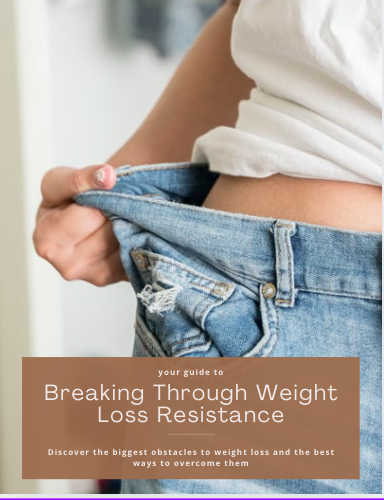
This guide walks you through how unknowingly, hormones may be in the way of your fat loss goals.
Hormone Recipe Guide

If you’re ready to eat to support your hormones, this guide is for you!
Workout with Me

Try one of the custom workouts that my clients and I do daily! Just 30 minutes for results.
How High Cortisol Leads to Weight Gain
When your body is in a constant state of “fight-or-flight,” it can disrupt your metabolism and lead to weight gain, particularly around the abdomen. We actually have more cortisol receptors there. Chronic stress keeps cortisol levels elevated, which can have a domino effect on your health.
High cortisol can contribute to:
- Increased Appetite: Cortisol can ramp up your cravings for sugary, fatty, and salty foods, as your body thinks it needs extra fuel to fight off a threat.
- Fat Storage: It encourages your body to store visceral fat—the deep abdominal fat that surrounds your organs. This type of fat is particularly dangerous and is linked to a higher risk of health problems.
- Health Complications: Beyond weight gain, consistently high cortisol is associated with heart disease, digestive issues like irritable bowel syndrome (IBS), and mental health challenges such as anxiety and depression.
Recent research continues to highlight these connections. The American Psychological Association has noted that long-term stress can lead to behaviors that contribute to weight gain, such as overeating and decreased physical activity, all driven by the hormonal response orchestrated by cortisol.
What Causes High Cortisol Levels?
Many things can cause chronically high cortisol levels, and it’s not always the big, life-changing events. Often, it’s the constant, everyday pressures. It’s the small, steady drip of stress that leave the biggest mark.
Common root causes include:
- Chronic Stress: This can stem from work pressure, overstimulation from your environment, financial worries, or relationship difficulties.
- Lack of Sleep: Not getting enough quality sleep signals to your body that something is wrong, prompting a cortisol release to keep you alert.
- Poor Diet: Diets high in processed foods, sugar, and unhealthy fats can cause inflammation and stress the body, elevating cortisol.
- Underlying Health Issues: Conditions like thyroid issues or adrenal fatigue (a state of burnout from prolonged stress) can also disrupt cortisol production.
Symptoms of chronically high cortisol can be subtle at first. You might notice persistent fatigue, irritability, frequent headaches, difficulty concentrating, and trouble sleeping. Recognizing these signs is crucial for taking proactive steps.
Join my new 21 DAY reset!
Tired of endless diets and no results? This reset is for you if you want to gain energy, cut the cravings, build strength, decrease bloat and feel amazing going into the holiday season!

Practical Ways to Manage Your Cortisol Levels
The good news is that you can take control of your cortisol levels through simple, sustainable lifestyle changes. It’s about creating an environment where your body feels safe and balanced, rather than constantly under threat. Here are a few tips to get you started. If you want a full 6-week plan, just let me know!
1. Adopt a Cortisol-Friendly Diet
What you eat has a direct impact on your stress hormones. Shifting your diet can help lower inflammation and stabilize blood sugar, which in turn helps manage cortisol. When I start working with a new client, we talk through ways to create a balanced diet and move towards a whole food strategy.
A Mediterranean-style diet, for example, is an excellent framework. Focus on incorporating whole foods that either come from the ground or have a mother:
- Whole Grains: Foods like oats, quinoa, and brown rice provide a steady release of energy without spiking blood sugar.
- Leafy Greens: Spinach, kale, and other greens are packed with magnesium, a mineral that helps relax the body and mind.
- Healthy Fats: Sources like avocados, olive oil, nuts, and chia seeds have anti-inflammatory properties that can help counteract the effects of stress.
- Lean Protein: Including fish, poultry, beans, and lentils in your meals helps keep you full and satisfied, reducing cravings for unhealthy foods.
2. Make Physical Activity a Daily Habit
Regular exercise is one of the most effective ways to manage stress and lower cortisol. Physical activity helps burn off nervous energy and releases endorphins, which are natural mood elevators. This is where it can get a little tricky though. I’ve had clients who present with elevated cortisol, who want to decrease body fat, but they are actually over exercising (which is a stressor) and actually triggering their high cortisol! This is why it’s so important to work with a health professional to ensure you’re not overdoing it. Within my program, we are going to be able to check cortisol levels (salivary cortisol) with a home test starting this FALL! No more guessing!
But back to physical activity, find an activity you genuinely enjoy, whether it’s a brisk walk, a bike ride, dancing, or strength training. It’s the best way to stick to it. The key is consistency. Aim for at least 30 minutes of moderate activity most days of the week. Be mindful not to overdo it, as excessively intense workouts can sometimes act as a stressor and raise cortisol levels.
3. Practice Mindfulness and Deep Breathing
Mindfulness techniques can help calm your nervous system and pull you out of a “fight-or-flight” state. Deep breathing exercises are particularly powerful because you can do them anywhere, anytime.
Try this simple technique:
- Sit or lie down in a comfortable position.
- Inhale slowly through your nose for a count of four.
- Hold your breath for a count of four.
- Exhale slowly through your mouth for a count of six.
- Repeat for a few minutes until you feel more relaxed.
4. Prioritize Quality Sleep
Sleep is when your body repairs itself and resets its hormonal balance. A lack of sleep is a major stressor that can send cortisol levels soaring.
To improve your sleep hygiene:
- Stick to a Schedule: Go to bed and wake up around the same time every day, even on weekends.
- Create a Relaxing Routine: Wind down before bed with a warm bath, reading a book, or listening to calming music.
- Optimize Your Environment: Keep your bedroom dark, quiet, and cool.
- Avoid Screens: The blue light from phones and computers can interfere with melatonin production, the hormone that regulates sleep.
Your Path to a Healthier Balance
Cortisol and weight loss are more connected than you might think, proving that health isn’t just about healthy diet and exercise, it’s about managing stress too. Stress can throw your body out of balance, but by understanding how cortisol works and making intentional lifestyle shifts, you can reduce stress, restore balance, and finally achieve the results you’ve been chasing.
The best part? It starts with small, doable changes. Pick one focus for this week. Maybe it’s adding more leafy greens to your meals or spending just five minutes a day on deep breathing. These tiny tweaks can create big shifts, helping you feel better, stress less, and move closer to your goals. Ready to get started? Let’s do this!
If you’ve stuck around this long, here are a few other gems you might enjoy:

I appreciate you sharing this blog post. Thanks Again. Cool.
Of course, thanks for being here. It’s a topic that comes up very often with clients.
I very delighted to find this internet site on bing, just what I was searching for as well saved to fav